FARMAKOEKONOMIKA. Modern Pharmacoeconomics and Pharmacoepidemiology
The journal is the first and most reputable in Russia and EurAsEC (Eurasian Economic Community) countries peer-reviewed periodical that publishes materials on new medical technologies, economic optimization of drug therapy, quality-of-life and healthcare problems.
The journal was founded in 2008.
The impact factor of this journal, as shown in the Russian Science Citation Index (RSCI) is the highest among the periodicals in the areas of pharmacoeconomics, health technology assessment, and epidemiology. According to RSCI, the biennial impact factor (without self-citations) was 0.325 in 2013, 0.411 in 2014, and 0.722 in 2015.
The journal publishes various materials on pharmacoeconomics and pharmaco-epidemiology including the methodology, data analysis and results of studies on public health, medical technologies and economic aspects of drug therapies. The original articles and literature reviews cover Cost-of-Illness Analysis, Cost-Minimization Analysis, Cost-Effectiveness Analysis (CEA), Cost-Utility Analysis (CUA), Cost-Benefit Analysis (CBA), Quality of Life Assessment (QoL), Patients' Preferences & Patients’ Satisfaction indices and related topics.
Our aims and priorities focus on scientific and information support to the decision-makers and experts in public drug supply, health providers, research and education professionals, as well as pharmaceutic and insurance companies.
Languages: Russian, English
Periodicity: 4 issues per year (quarterly).
Copies of this journal are distributed under the Creative Commons Attribution 4.0 License: full-text materials are freely available to the public in an open access repository.
Distribution of the printed version: Russia, the EurAsian Economic Community countries (Belarus, Kazakhstan, Kyrgyzstan, Tajikistan, Uzbekistan, Armenia, Moldova)
The editorial board of “FARMAKOEKONOMIKA. Modern Pharmacoeconomics and Pharmacoepidemiology” includes leading experts in pharmaco-economics, clinical pharmacology, medical technology assessment, epidemiology, and public health from Russia, USA and Spain.
The editorial board maintains the policy of full compliance with all principles of publishing ethics. Our ethical standards and codes conform to those of top international science publishers.
All submitted materials undergo a mandatory double-blind peer review.
Media Certificate of Registration: ПИ №ФС77-32713 of August 01, 2008.
ISSN 2070-4909 (Print)
ISSN 2070-4933 (Online)
By the decision of the Higher Attestation Commission (HAC) of Russia, “FARMAKOEKONOMIKA. Modern Pharmacoeconomics and Pharmacoepidemiology” is included in the "List of top peer-reviewed scientific journals and publications" where scientists seeking academic degrees are required to publish their results.
The journal appears in the Russian Universal Scientific Electronic Library (RUNEB) elibrary.ru and is also present in the database of the Russian Science Citation Index (RSCI). Concise versions of major articles from this journal are published by the All-Russian Institute for Scientific and Technical Information (VINITI). The journal is also indexed by "Ulrich's periodicals Directory" – a global information system of periodicals and continued publications.
Current issue
ORIGINAL ARTICLES
What is already known about thе subject?
► Obesity is a chronic relapsing disease and a modifiable risk factor for type 2 diabetes mellitus (T2DM), cardiovascular disease, hypertension and some oncological pathologies
► The prevalence of obesity is increasing among adults and children, raising the demand for care and imposing a substantial financial burden on the healthcare system
What are the new findings?
► The model estimated that 21.64 million Russian adults aged 18–69 have obesity, including a separately analyzed subgroup of 5.45 million individuals with body mass index (BMI) ≥35 kg/m2
► Annual pharmacotherapy costs in a hypothetical full coverage scenario were estimated at 3.1 trillion rubles for individuals with BMI ≥30 kg/m2 and 778 billion rubles for those with BMI ≥35 kg/m2
► The study quantified the burden of comorbidities: pharmacotherapy for T2DM, coronary heart disease, and hypertension were 396, 69, and 324 billion rubles, respectively, while hospitalization costs for T2DM and coronary heart disease reached 377 and 89 billion rubles
How might it impact the clinical practice in the foreseeable future?
► The results can inform the planning of obesity prevention programs, patient routing, and assessments of medication needs while considering the financial burden on the healthcare system
► The findings highlight the need for early obesity detection and long-term management, as universal pharmacotherapy alone would require substantial budget resources
► The model can serve as a basis for future budget impact analyses and the prioritization of patient groups with the greatest expected benefit
Objective: To estimate the direct medical costs associated with the treatment of adult patients with obesity in the Russian Federation, including the costs of pharmacotherapy for obesity, management of comorbidities and hospitalizations due to specific obesity-related complication.
Material and methods. A mathematical model was developed to analyze the direct medical costs of pharmacotherapy for obesity and related comorbidities over a 1-year time horizon. The analysis included adults aged 18–69 years with obesity (body mass index (BMI) ≥30 kg/m²); a subgroup of individuals with BMI ≥35 kg/m² was analyzed separately. The target population size was determined using national epidemiological data, stratified by sex, age, and obesity class. The model evaluated the costs of pharmacotherapy for obesity, management of comorbid conditions, and hospitalizations associated with type 2 diabetes mellitus, coronary heart disease, and arterial hypertension. Treatment costs were calculated based on dosing regimens, the State Register of Maximum Selling Prices, and public procurement data; hospitalization costs were estimated using diagnosis-related groups.
Results. The estimated number of adults with obesity was 21.64 million, including 5.45 million individuals with BMI ≥35 kg/m². In the modeled scenario of universal drug coverage, annual pharmacotherapy costs were estimated at 3.1 trillion rubles for the overall population and 778 billion rubles for the subgroup with BMI ≥35 kg/m². The estimated number of comorbidity cases was 4.44 million for coronary heart disease, 15.2 million for arterial hypertension, and 7.03 million for type 2 diabetes mellitus. Pharmacotherapy costs for these conditions amounted to 69, 324, and 396 billion rubles, respectively. Annual hospitalization costs were estimated at 377 billion rubles for type 2 diabetes mellitus and 89 billion rubles for coronary heart disease.
Conclusion. The management of adults with obesity and comorbid conditions within the Russian healthcare system is associated with substantial direct medical costs. Reducing this burden requires a combination of prevention, early detection, and long-term patient management.
What is already known about thе subject?
► Daratumumab biosimilar has been registered in the Russian Federation, expanding the number of options available for multiple myeloma patients
► Daratumumab biosimilar has proven equal efficacy and safety with original drug, while costing less
What are the new findings?
► Epidemiological data on multiple myeloma patients, their weight characteristics, and the treatment regimens used are presented
► The economic feasibility of introducing a biosimilar of daratumumab into current clinical practice in different patient groups was assessed
How might it impact the clinical practice in the foreseeable future?
► Widespread introduction of the daratumumab biosimilar into clinical practice will result in significant savings in healthcare system resources
Objeсtive: To evaluate the direct medical costs of treating multiple myeloma (MM) patients with daratumumab and its Russian biosimilar using subcutaneous (SC) and intravenous (IV) administration routes, while considering the patients’ body weights.
Material and methods. The targeted patient population and their weight characteristics were determined according to the MM patients registry at the Hematology Center of Moscow Botkin Multidisciplinary Scientific and Clinical Center. As of February 16, 2026, it included 329 patients treated with daratumumab or its combinations. The costs of a year-long course of therapy were calculated, including the following treatment strategies: daratumumab alone (both SC and IV), a biosimilar alone, or a combination of the two, depending on the patient's weight. Furthermore, cost-minimization and budget impact analyses were conducted within a 1-year timeframe for the considered treatment strategies. These analyses evaluated the direct medical costs of daratumumab therapy based on the dosing regimens outlined in the clinical guidelines and the summary of product characteristics.
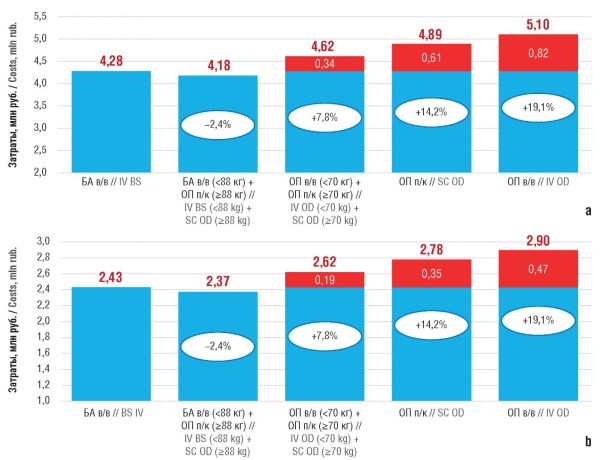
Results. The cost-minimization analysis revealed that treatment strategies for MM patients using daratumumab biosimilar alone or in combination (for patients weighing less than 88 kg) with the SC route of the original drug (for patients weighing 88 kg or more) are the most cost-effective. The estimated costs are 4.28 and 4.18 million rubles, respectively, in the first year of treatment and 2.43 and 2.37 million rubles in the second and subsequent years. Meanwhile, solely IV or solely SC administration of the original daratumumab results in a 14.2% and 19.1% increase in costs, respectively, reaching 5.10 and 4.89 million rubles in the first year of therapy and 2.90 and 2.78 million rubles in the second and subsequent years. Also, combining IV and SC forms of the original drug increases costs by 7.8%, reaching 4.62 million rubles in the first year of therapy and 2.62 million rubles in subsequent years. The budget impact analysis revealed that using a daratumumab biosimilar for all patients who received treatment in 2025 would result in total annual savings for the healthcare system of between 701.32 and 1,714.83 million rubles.
Conclusion. Expanding the use of the daratumumab biosimilar is cost-effective, compared not only to the IV form of the original drug but also to the SC form, as well as their combination.
What is already known about thе subject?
► Despite intensive therapy with inhaled corticosteroids (ICS), used alone or in combination with long-acting β2-agonists (LABA) or long-acting muscarinic antagonists (LAMA), approximately 30–50% of patients with moderate or severe asthma fail to achieve adequate disease control
► Triple ICS/LABA/LAMA combinations offer advantages over ICS/LABA and LABA/LAMA regimens in patients with chronic obstructive pulmonary disease (COPD), including reduced exacerbation risk, improvement in symptom burden, and better quality of life
► Inhaled therapy with the triple fixed-dose combination (FDC) of beclomethasone/glycopyrronium bromide/formoterol (Trimbow®) ensures efficient drug deposition in the peripheral airways and provides a pronounced bronchodilatory effect
What are the new findings?
► A comprehensive pharmacoepidemiologic and pharmacoeconomic evaluation of therapy in patients with moderate and severe COPD was conducted across healthcare institutions in the Moscow Region
► The analysis demonstrated that the largest proportion of patients received three or more international nonproprietary names for COPD management
► The mean per patient treatment cost was lowest for the triple FDC of beclomethasone/glycopyrronium bromide/formoterol (3,850.62 rub.)
How might it impact the clinical practice in the foreseeable future?
► Implementation of the triple FDC of beclomethasone/glycopyrronium bromide/formoterol in clinical practice may help reduce the mean per patient cost of COPD management. This approach is expected not only to support better compliance to therapy but also to lower expenditures for the healthcare system of the Moscow Region
Objective: To conduct a pharmacoeconomic evaluation of the triple beclomethasone/formoterol/glycopyrronium fixed-dose combination (FDC) for the treatment of patients with moderate and severe chronic obstructive pulmonary disease (COPD) in healthcare institutions of the Moscow Region, Russia.
Material and methods. A pharmacoepidemiological analysis was conducted using data from multiple levels of medical care for patients with COPD in the Moscow Region, including records data from the Territorial Fund for Compulsory Health Insurance (TFCHI) and data on subsidized drug provision. To characterize the frequency and structure of inpatient and outpatient care for COPD, a frequency analysis was performed. Direct costs of COPD pharmacotherapy were assessed, including expenditures associated with triple FDCs. In addition, a budget impact analysis was carried out to evaluate the provision of triple FDCs in a single delivery device.
Results. During the analyzed period, 23,583 COPD patients received inpatient care and 7,314 received outpatient care, with total expenditures of 703,329,560 and 251,189,103 rubles, respectively. Analysis of subsidized drug provision showed that 757 patients (4.2% of all patients receiving COPD therapy) were treated with one of three triple FDCs: beclomethasone/glycopyrronium bromide/ formoterol, budesonide/glycopyrronium bromide/formoterol, or vilanterol/umeclidinium bromide/fluticasone furoate. Budget impact analysis demonstrated that two triple FDCs (budesonide/glycopyrronium bromide/formoterol and beclomethasone/glycopyrronium bromide/formoterol) were associated with identical costs: 2,763.20 rubles per month and 33,158.40 rubles per year. Treatment with the vilanterol/umeclidinium bromide/fluticasone furoate combination was associated with higher costs.
Conclusion. Use of triple FDC of beclomethasone/glycopyrronium bromide/formoterol may help improve compliance to therapy among patients with COPD and is associated with lower costs for the Moscow Region healthcare system. This treatment approach is clinically and economically feasible.
What is already known about thе subject?
► The increasing prevalence of infertility, its substantial medical and social burden, and the expanding accessibility of assisted reproductive technology (ART) programs underscore the importance of identifying optimal pharmacotherapy approaches for controlled ovarian stimulation
► Real-world data from Russia indicate differences in ovarian stimulation regimens, pharmacotherapy, and dosing strategies according to the anti-cipated ovarian response
► Previous Russian pharmacoeconomic studies in patients with poor ovarian response demonstrated the cost-effectiveness of follitropin alfa versus the fixed-dose combination of follitropin alfa/lutropin alfa and that of biosimilar follitropin alfa versus the originator product
What are the new findings?
► For the first time, a pharmacoeconomic study incorporating a budget impact analysis of pharmacotherapy in ART programs was conducted using real-world clinical practice data
► The budget impact model included a broader target population of patients with anticipated poor, normal, and high ovarian response
► For the first time in Russia, the cost of treatment costs for the originator and multiple biosimilar follitropin alfa products, including Bemfola® (Gedeon Richter, Hungary), were evaluated in a single analysis
How might it impact the clinical practice in the foreseeable future?
► The study findings can inform the selection of optimal drug therapy and support more effective resource planning within ART programs
Objective: To evaluate the pharmacoeconomic performance of follitropin alfa in women with poor, normal, and high responses to ovarian stimulation in assisted reproductive technology programs.
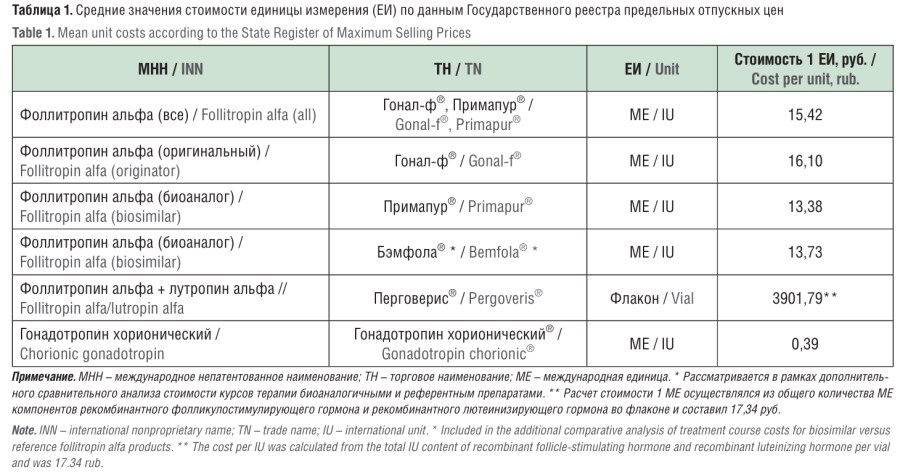
Material and methods. A pharmacoeconomic evaluation was conducted in women with infertility and an anticipated poor ovarian response undergoing in vitro fertilization, using a cost-minimization analysis. The base-case scenario compared follitropin alfa (Gonal-f® – Merck Serono S.p.A., Italy; Primapur® – IVFarma, Russia) with a fixed-dose combination (FDC) of follitropin alfa/lutropin alfa (Pergoveris® – Merck Serono S.A., Succursale d'Aubonne, Switzerland), all of which are included in the national list of vital and essential drugs. A budget impact analysis was performed for the target population of women with differential ovarian response receiving the FDC in conventional stimulation protocols. In addition, the study compared the cost of a stimulation cycle with follitropin alfa versus the FDC and examined cost differences between biosimilars and originator of follitropin alfa.
Results. In cost-minimization analysis, the mean cost of a stimulation cycle with follitropin alfa was 27–34% lower than that with the FDC, depending on the dosage. The budget impact analysis showed that switching 70% of patients to follitropin alfa reduced total expenditures by 30–33% relative to current practice. This economic advantage was consistent across women with poor, normal, and high ovarian response. In comparative cost analyses, both biosimilars of follitropin alfa were less expensive than the originator formulation.
Conclusion. Use of follitropin alfa, in particular biosimilar formulations, is associated with lower costs than the FDC of follitropin alfa/ lutropin alfa across all evaluated scenarios. These findings support the economic feasibility of incorporating follitropin alfa into assisted reproductive technology programs.
What is already known about thе subject?
► PD-1 inhibitors (nivolumab, prolgolimab) are the standard of first-line therapy for metastatic and unresectable cutaneous melanoma (MM/uRCM) according to Russian clinical guidelines
► Nivolumab was evaluated in extensive international studies, while proglolimab, a Russian-developed drug, undergone separate clinical trials without direct comparison to nivolumab
What are the new findings?
► For the first time a matching-adjusted indirect comparison of prolgolimab and nivolumab was conducted using individual patient data from Russian and international studies
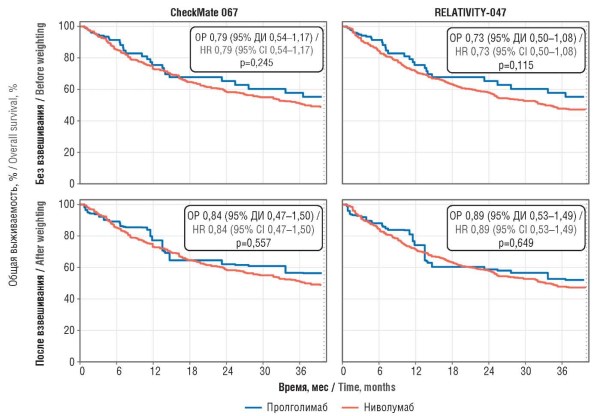
► No statistically significant differences between prolgolimab and nivolumab in overall survival and progression-free survival were demonstrated
► Cost-effectiveness analysis demonstrated that the average costs of drug therapy for MM/uRCM calculated taking into account disease progression and patient mortality within the first year, with prolgolimab and nivolumab therapy amounted to 2.39 and 3.20 million rubles, respectively
How might it impact the clinical practice in the foreseeable future?
► Prolgolimab may become the drug of choice for the treatment of
MM/uRCM due to comparable clinical efficacy and significant economic efficiency for the healthcare system (34% savings per patient per year)
Background. Metastatic and unresectable cutaneous melanoma (MM/uRCM) is an aggressive malignancy associated with high mortality due to its pronounced metastatic potential. Immune checkpoint inhibitors are used to treat MM/uRCM in the Russian Federation. These inhibitors include nivolumab and prolgolimab, which block the programmed cell death 1 (PD-1) receptor. However, there are no direct comparative data on their clinical and economic efficacy and safety as monotherapy, which complicates optimal therapeutic decision-making.
Objective: To evaluate the clinical efficacy and safety of prolgolimab versus nivolumab in MM/uRCM treatment and to conduct cost-effectiveness analysis based on data obtained.
Material and methods. A systematic literature search was conducted in the Embase and PubMed/MEDLINE databases, which identified four clinical trials of prolgolimab and nivolumab in first-line therapy for MM/uRCM. The results were used to perform a matchingadjusted indirect comparison (MAIC) without an anchor. Cox regression and logistic regression were applied for the efficacy and safety analyses, respectively. A cost minimization analysis was carried out using the weight characteristics of 743 Russian patients with MM/uRCM. The analysis only considered the costs of drug therapy. Additionally, the costs of treatment with comparator drugs were evaluated in real-world clinical setting, taking into account therapy discontinuation due to disease progression or patient death. A budget impact analysis was performed for 10 patients with MM/uRCM.
Results. In MAIC, the prolgolimab monotherapy showed no statistically significant differences in overall survival compared to nivolumab after population balancing: hazard ratio (HR) 0.84 (95% confidence interval (CI) 0.47–1.50; p=0.557) in CheckMate 067 trial population; HR 0.89 (95% CI 0.53–1.49; p=0.649) in RELATIVITY-047 trial population. Similarly, for progression-free survival: HR 1.14 (95% CI 0.77–1.70; p=0.511) for CheckMate 067; HR 1.07 (95% CI 0.77–1.48; p=0.683) for RELATIVITY-047. Based on cost minimization analysis results, weighted average annual drug therapy costs for the Russian patient population were 3.98 million rubles for prolgolimab, compared to 5.33 million rubles for nivolumab (34% higher). First-year therapy costs accounting for gradual discontinuation due to progression and death were 2.39 million rubles for prolgolimab versus 3.2 million rubles for nivolumab (difference: 809,559 rubles; 34%). On a five-year horizon, total drug therapy costs were 6.16 million rubles for prolgolimab and 8.25 million rubles for nivolumab. Budget impact analysis revealed a difference in therapy costs for 10 patients with MM/uRCM over a 1-year and 5-year horizons of 13.47 and 20.84 million rubles, respectively. Due to the cost difference, an additional three patients can be treated within the analyzed timeframe.
Conclusion. Prolgolimab monotherapy demonstrated no statistically significant differences in overall survival or progression-free survival compared with nivolumab in MAIC. Given its comparable clinical efficacy and lower cost per treatment course, prolgolimab is cost-effective within the Russian healthcare system and allows for increased patient coverage without additional budget expenditures.
What is already known about thе subject?
► The naturally occurring oligopeptide alloferon (HGVSGHGQHGVHG) is characterized by pronounced antiviral and anti-inflammatory effects
► There is extensive evidence supporting the use of alloferon-based medications for the treatment of infections caused by human papillomavirus, herpes simplex virus, and hepatitis B and C
► The mechanisms of alloferon's molecular action are poorly understood (in particular, target proteins of human proteome are unknown)
What are the new findings?
► Bioinformatic and biophysical modeling of alloferon reveals its primary mechanism – its role as an antigenic epitope on viral capsids. Alloferon's interactions with T-cell receptors will activate NK lymphocytes, which facilitate the destruction of viral and bacterial pathogens
► Alloferon's properties as an antimicrobial peptide with antiviral activity were confirmed
► Other possible mechanisms of alloferon's molecular action include activation of neutrophil formyl peptide receptors FPR1/2, inhibition of interleu-
kin -17 receptor, and blocking viral interactions with sialic acids
How might it impact the clinical practice in the foreseeable future?
► Verifiable mechanisms of alloferon's molecular action are important for understanding the range of applications of the promising antiviral drug Allokin-Alfa®
► Alloferon's additional pleiotropic properties (antioxidant, antitumor, anti-ischemic, anti-neurodegenerative, and wound-healing effects) should be studied in clinical trials and considered in routine clinical practice
Background. The active ingredient of a new-generation antiviral drug for the treatment of herpes and human papillomavirus infection is alloferon, an oligopeptide with the amino acid sequence HGVSGHGQHGVHG. By inducing interferon biosynthesis, alloferon improves the immune status of men and women with various viral and bacterial-viral infections. The precise mechanism of alloferon's molecular pharmacological action is unknown.
Objective: To establish possible molecular mechanisms of the anti-infective, immunostimulatory, and other effects of alloferon.
Material and methods. Biophysical modeling of the structure and properties of the alloferon oligopeptide and bioinformatic analysis of its amino acid sequence in proteomic databases.
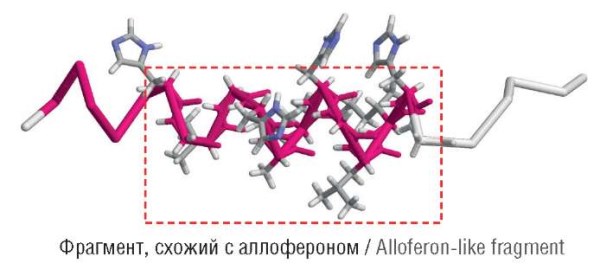
Results. Expert analysis of bioinformatics and biophysical modeling results revealed that the primary hypothesis for alloferon's action is its role as an antigenic epitope, similar in structure to fragments of viral capsid proteins (including hemagglutinin). By interacting with T-cell receptors (TCRs) via major histocompatibility complex (MHC) proteins, alloferon and/or its fragments activate NK lymphocytes, which facilitate the destruction of viral and bacterial pathogens. This mechanism is supported not only by alloferon's similarity to known TCR antigenic epitopes but also by the results of biophysical prediction of epitopes, processing, and binding of alloferon to MHC proteins. The second most significant molecular mechanism involves alloferon's properties as an antimicrobial peptide (AMP) with antiviral activity. This hypothesis is supported by (1) the similarity of the amino acid sequence and amino acid composition of alloferon with known AMPs (piscidins, CA-1, bacteriocin plantaricin, etc.); (2) the potential alpha-helical structure of alloferon; (3) the results of bioinformatics and biophysical prediction of AMP activity against bacterial (E. coli, P. aeruginosa, K. pneumoniae, S. aureus, etc.) and viral (DENV-1, JEV, MERS-CoV, SARS-CoV, SARS-CoV-2, hepatitis C virus, herpes simplex virus) pathogens. Other potentially important molecular mechanisms of action of alloferon include (1) activation of formyl peptide receptors FPR1/2 on the surface of neutrophils (causes chemotaxis of lymphocytes to the site of infection); (2) inhibition of the interleukin-17 receptor (anti-inflammatory effect); (3) blocking the interaction of viruses with sialic acids; (4) cytoprotective properties of peptide fragments within the alloferon molecule; (5) inhibition of proteins containing the potassium channels tetramerization domain (KCTD) (important for modulating neurotransmission and for antitumor activity).
Conclusion. The results of this study indicate verifiable mechanisms of molecular action of alloferon.
What is already known about thе subject?
► Thrombosis and thromboembolic complications are the leading causes of morbidity and mortality worldwide
► New oral anticoagulants have largely displaced warfarin in developed countries, accounting for 70–80% of all oral anticoagulant prescriptions
► The global anticoagulant market exceeded $39.2 billion in 2022 and is projected to grow at an annual rate of over 9.5% through 2032
What are the new findings?
► The first 15-year multiparametric study of the antithrombotic drug market in Uzbekistan was conducted, revealing a 2.7-fold expansion of the product range, from 53 to 141 registered trade names
► Supply volume increased 6.6-fold (from 1.32 to 8.72 million packages), peaking at 12.19 million packages in 2020, followed by a decline post-2020 (compound annual growth rate of –8.03%)
► From 2017 onward, domestic manufacturers began displacing CIS suppliers: by 2022 the volume of domestic drugs reached 1.24 million packages, while imports still accounted for roughly 83.5% of the market
How might it impact the clinical practice in the foreseeable future?
► The findings can be used by healthcare authorities for strategic procurement planning and the development of pharmaceutical supply policies
► The identified gap between registration and actual market entry (approximately 50%) signals the need for regulatory mechanisms to improve drug availability
► The growth of domestic production, coupled with the rising market share of rivaroxaban, indicates a shift in therapeutic strategies, which could reduce import dependence
Background. No systematic data are currently available on long-term trends in the product range, prices, and supply structure of antithrombotic drugs in the Republic of Uzbekistan, which hinders pharmaceutical supply planning.
Objective: To conduct a comprehensive analysis of the antithrombotic drug market in the Republic of Uzbekistan covering the period 2010–2024.
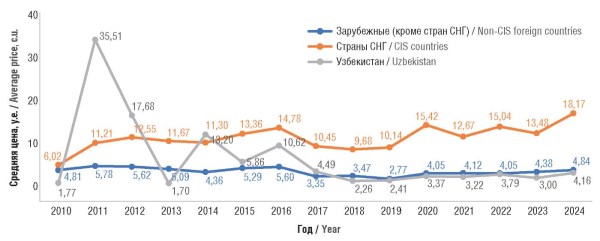
Materials and methods. This study presents the first multi-parametric analysis of the antithrombotic drug market in the Republic of Uzbekistan over a 15-year period. The analysis evaluated registration trends, supply volumes, price ranges, manufacturing countries, and the pharmacoeconomic characteristics of antithrombotic agents. Data were obtained from the State Register of Medicines, Medical Devices, and Medical Equipment, published by the Ministry of Health of the Republic of Uzbekistan, as well as the Drugs Audit system. Methodological approaches included product range analysis, trend analysis, price analysis, calculation of the compound annual growth rate (CAGR), and correlation analysis (Pearson correlation coefficient, p<0.05).
Results. The assortment of antithrombotic drugs expanded from 53 to 141 trade names over the period under review, with an average of approximately 50% entering active commercial circulation. Supply volumes increased 6.6-fold, peaking at 12.19 million packages (2020), followed by a decline (CAGR: −8.03%). Although imported products account for 83% of the product range, the share of domestic manufacturers has increased since 2017. The leading International Nonproprietary Names in the market include acetylsalicylic acid, enoxaparin, and clopidogrel; the market share of rivaroxaban is growing.
Conclusion. The antithrombotic drug market in the Republic of Uzbekistan has become more diversified, yet it remains import-dependent. The findings of this study can be used to inform public policy and procurement planning.
What is already known about thе subject?
► In the Russian pharmacovigilance system, the majority of spontaneous reports are submitted by healthcare professionals, whereas in foreign systems patients and other stakeholders also make a substantial contribution
► Although pharmaceutical professionals are legally obligated to report adverse reactions, their actual contribution remains disproportionately low compared to other groups
► Studies identify insufficient awareness and training in pharmacovigilance among pharmaceutical professionals and medical students as key reasons for their low involvement
What are the new findings?
► Based on a 2025 survey, the article quantifies the low contribution of pharmaceutical professionals (8%) to Russian pharmacovigilance, revealing a structural imbalance in the spontaneous reporting system
► The study compares reporting groups in Russia, the USA, and Germany demonstrating the significant disparities in the involvement of patients and pharmaceutical professionals within the pharmacovigilance system
► Drawing on the analysis of underlying causes, the authors propose a comprehensive approach involving educational reform, process optimization, and digitalization, with a focus on pharmaceutical professionals
How might it impact the clinical practice in the foreseeable future?
► The quality and completeness of drug safety data can be improved by increasing the involvement of pharmaceutical professionals as a vital part of pharmacovigilance system
► Strengthening the role of pharmacies as spontaneous reporting hubs can facilitate more effective and timely interaction between all parties within the pharmacovigilance system
► The introduction of digital tools will streamline the reporting process for all healthcare professionals, enhancing responsiveness to drug safety threats
Background. Underreporting of adverse drug reactions is a pressing public health concern in the Russian Federation. Addressing this requires evaluating the pharmacovigilance system performance, analyzing stakeholder involvement (patients, healthcare and pharmaceutical professionals, and industry representatives), and refining existing approaches through the enhancement of interagency cooperation and digital solutions.
Objective: To assess the role and level of involvement of pharmaceutical professionals in the spontaneous reporting system of the Russian Federation, identify the primary barriers hindering their participation, and determine areas for improving pharmacovigilance.
Materials and methods. The study analyzes public statistical data from regulatory agencies in the Russian Federation (Roszdravnadzor), the United States (FAERS), and Germany (BfArM) to compare the reporting profiles of key groups. Due to the lack of aggregated national data for the Russian Federation, the authors conducted a survey in 2025 via the Yandex Forms platform, involving 101 respondents (consumers, healthcare professionals, and pharmaceutical professionals).
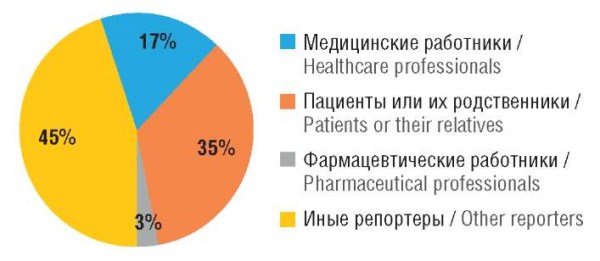
Results. The study analyzed the causes of underreporting across all target groups, evaluating awareness levels, reporting tool availability, motivation, and other contributing factors. A pronounced imbalance was identified in the Russian reporting system: unlike the multi-channel models of the United States and Germany, the majority of reports in the Russian Federation are submitted by healthcare professionals. The conducted survey revealed that pharmaceutical professionals account for only 8% of reports, which is inconsistent with their legal obligations. Healthcare professionals were found to be the primary contributors (61%), followed by pharmaceutical companies (17%) and patients or their relatives (14%). Notably, despite high pharmacovigilance awareness (88.9%), only 40.7% of pharmaceutical professionals reported encountering consumer complaints. Their preferred method of report submission is direct communication with pharmaceutical companies (51.9%), with online reporting forms being the most convenient format (51.9%). Analysis of comments identified key barriers, including insufficient feedback, procedural uncertainty, and a lack of confidence regarding the effectiveness of reports.
Conclusion. The study identified key problem areas and proposed strategies for improving the pharmacovigilance system in the Russian Federation. Pharmaceutical professionals represent a critical but under-involved category of reporters within the pharmacovigilance system. Improving the completeness and quality of drug safety data requires a comprehensive approach, encompassing educational reform, implementation of digital tools to streamline reporting, and the launch of awareness campaigns. Furthermore, it is essential to foster an environment where reporting adverse reactions is perceived as an integral part of professional responsibility.
What is already known about thе subject?
► Socially significant diseases are characterized by high mortality and disability rates, accounting for a substantial portion of financial expenditures related to diagnosis, treatment, and rehabilitation
► Although artificial intelligence (AI) technologies are integrated into clinical medicine, standardized methods for evaluating their economic efficiency have yet to be established
► Conventional methods for evaluating economic efficiency often factor in only direct diagnostic costs, overlooking potential avoidable costs associated with missed cases
What are the new findings?
► A comprehensive method for evaluating economic efficiency was developed, symmetrically factoring in avoidable diagnostic costs and potential avoidable costs associated with additional diagnostics and missed-case treatment
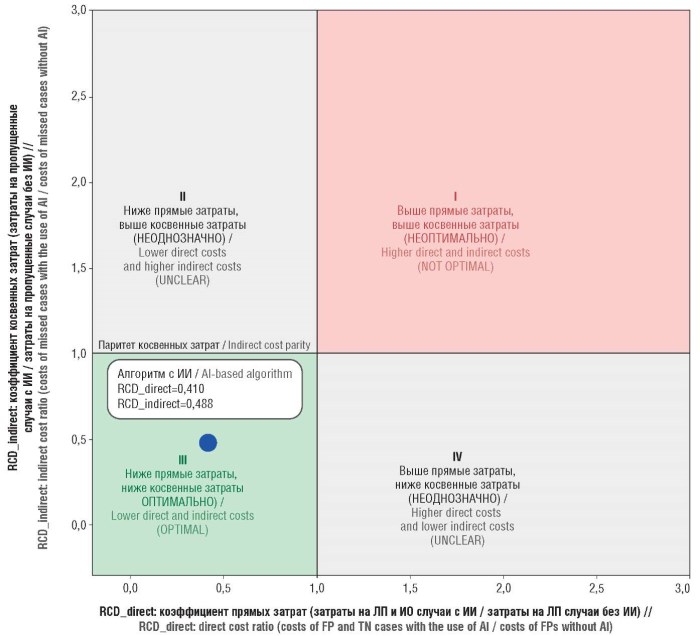
► A quadrant matrix was proposed to visualize the balance between avoidable costs and potential avoidable costs for various diagnostic strategies
How might it impact the clinical practice in the foreseeable future?
► Prioritizing the implementation of diagnostic AI algorithms in regions with high oncology burden was justified by potential savings in public and extra-budgetary funds
► The versatility of this method enables an objective economic efficiency evaluation of AI integration into disease diagnostics, facilitating the informed selection of technologies for clinical guidelines and compulsory health insurance schemes
► The quadrant matrix and proposed formulas streamline management decision-making regarding digital technology implementation at the regional and federal levels, fostering the broader adoption of AI in сlinical medicine and healthcare
Objective: To develop and validate a method for evaluating the economic efficiency of target disease (TD) diagnostics performed via artificial intelligence (AI)-assisted multi-stage patient routing.
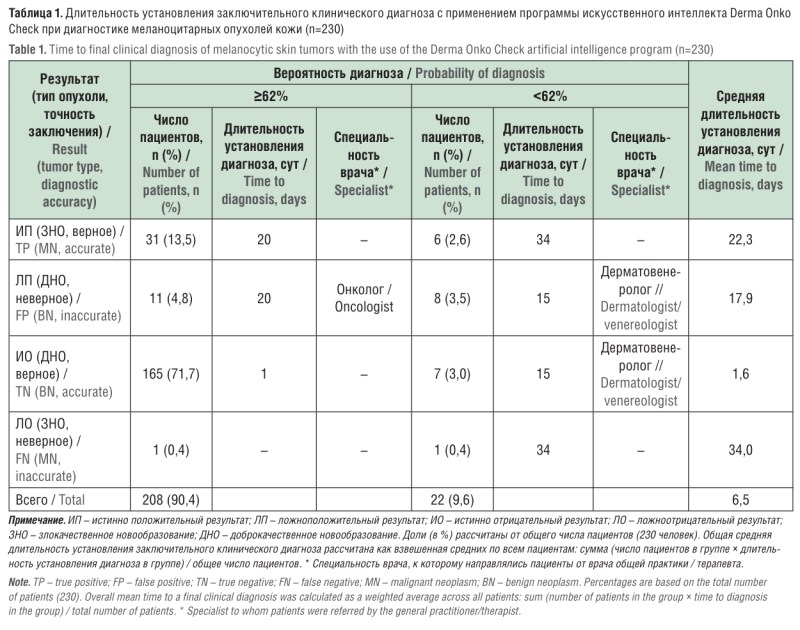
Material and methods. The evaluation method was developed through a simulation of two diagnostic routing scenarios (with and without AI program output) based on data from 381 patients with malignant and benign skin neoplasms. This approach was validated using output of the Derma Onko Check AI program, employing previously proposed diagnostic algorithms for melanocytic skin tumors (n=230) at a 62% routing threshold. Formulas were derived to calculate the financial cost (FC) ratio, the cost of identifying one TD case, and coefficients for avoidable and potential avoidable costs to enable mapping within a quadrant matrix. The evaluation method factors in not only the avoidable costs of medical interventions but also the potential avoidable costs (losses) resulting from delayed TD detection.
Results. The implementation of diagnostic algorithms based on the output of the Derma Onko Check AI program demonstrated high economic efficiency. The FC ratio of 0.49 indicates a 51% reduction in the total FCs for melanocytic skin tumors compared to conventional diagnostics. The analysis of avoidable and potential avoidable costs revealed a 59.0% decrease in avoidable costs (RTC_AC=0.41) and a 51.0% decrease in potential avoidable costs (RTC_PAC=0.49). These results fall within the optimal efficiency zone of the quadrant matrix.
Conclusion. The obtained results validate factoring missed-case treatment costs into both parts of the RTC formula. Thisensures accurate comparability of diagnostic approaches with different FC structures and clinical outcomes.
What is already known about thе subject?
► Real-world evidence (RWE) is increasingly used in comprehensive drug assessment in the Russian Federation; however, the frequency of its use requires evaluation
► Experts and decision-makers support the use of RWE in comprehensive drug assessment, underscoring the importance of research aimed at further improving its application
► Improving the use of RWE in comprehensive drug assessment has practical significance, and its necessity is recognized by the expert community
What are the new findings?
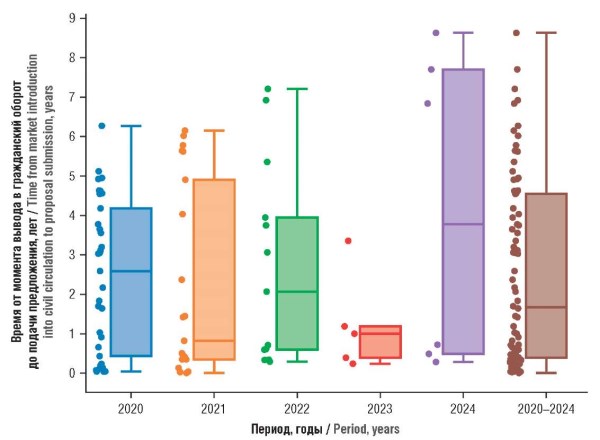
► The proportion of proposals for inclusion of drugs in national restrictive lists in 2020–2024, for which Russian real-world studies were available, was evaluated
► The frequency of use of real-world studies in drug submissions for inclusion in national restrictive lists in 2022 was analyzed
► The frequency of RWE use in published cost-effectiveness studies and budget impact analyses utilized to justify the inclusion of drugs in restrictive lists in 2018–2024 was assessed
How might it impact the clinical practice in the foreseeable future?
► The significance of RWE for comprehensive drug assessment was confirmed
► The potential for increasing the frequency of RWE use in comprehensive drug assessment was identified
► The need to stimulate the conduct of local real-world studies, in particular comparative ones, was substantiated
Background. The rapid development of digital technologies and the increasing recognition of real‑world evidence (RWE) underscore the need for its broader integration in comprehensive drug assessment, including the development of national restrictive lists of drugs). In this context, an analysis of the availability of local (Russian) real‑world studies (RWS) and their use in comprehensive drug assessment is highly relevant.
Objective: To analyze the availability of RWE and the frequency of its use in comprehensive drug assessment.
Material and methods. The availability of RWS was assessed for 172 drug proposals for inclusion in national restrictive lists between 2020 and 2024. The study was conducted by calculating the proportion of proposals, for which publications reporting the results of local RWS were available at the time of submission. RWS were identified through a systematic search. The frequency of RWE use in comprehensive drug assessment was evaluated through a content analysis of 28 drug dossiers submitted for inclusion in 2022. The frequency of RWE use was also determined in published cost-effectiveness analyses (CEAs) and budget impact analyses (BIAs) of drugs proposed for inclusion in 2018–2024 (116 publications).
Results. Over the period from 2020 to 2024, local RWS were published for 34% of drugs proposed for inclusion in the national restrictive lists. In 2022, 86% of drug dossiers included RWS. Among the published CEAs and BIAs submitted in 2018–2024, RWE was used in 42% and 63% of cases, respectively.
Conclusions. Russian RWS can already be regarded as a promising source of evidence for comprehensive drug assessment. At the same time, the relatively low publication rate of local RWS indicates the need to further accelerate the generation of such evidence. The high demand for RWE in comprehensive drug assessment underscores the importance of its integration in the development of national restrictive drug lists.
What is already known about thе subject?
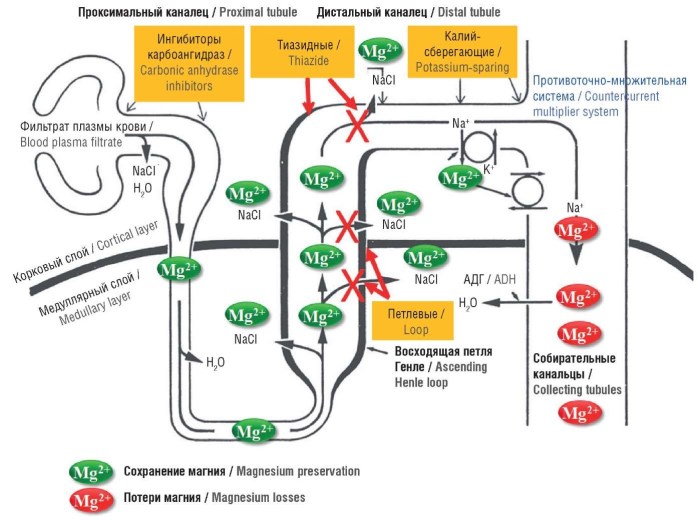
► Many drugs (antibiotics, diuretics, sex hormones, antineoplastic agents) induce depletion of magnesium and pyridoxine, thereby aggravating adverse effects of pharmacotherapy and worsening the prognosis of the underlying disease
► Magnesium deficiency is the pathophysiological core of such comorbid conditions as type 2 diabetes, obesity, atherosclerosis, arterial hypertension, ischemic stroke, depression, and neurodegenerative diseases
► Existing databases (Sider Wisebase, FAERS) contain knowingly incomplete information on the antimicronutrient effects of drugs. Thus, Sider Wisebase records fewer than 80 drugs causing hypomagnesemia and only 3 drugs causing inadequate vitamin B6 supply
What are the new findings?
► For the first time, a chemoreactomic screening of all 2,527 drugs included in the Anatomical Therapeutic Chemical classification was performed regarding their anti-micronutrient properties. Such a scale is unachievable by conventional experimental or clinical database analysis methods
► Original algorithms for predicting inadequate magnesium and vitamin B6 supply were developed, achieving cross-validation accuracy of 92±10% (94–98% for magnesium), substantially exceeding the completeness of existing databases
► A comprehensive database of antimicronutrient drug properties was created across 24 indicators for 18 micronutrients, enabling evidence-based pharmacotherapy support with organic magnesium salts and pyridoxine preparations
How might it impact the clinical practice in the foreseeable future?
► The resulting database of antimicronutrient properties of 2,527 drugs can be integrated into clinical decision support systems, automatically flagging the risk of inadequate magnesium and vitamin B6 supply when specific medications are prescribed
► Long-term therapy with diuretics, antibiotics, estrogens, antidepressants, and antineoplastic agents must be accompanied by taking organic magnesium salts and pyridoxine preparations to prevent iatrogenic hypomagnesemia
► Application of the developed predictive algorithms will enable timely correction of polypharmacy in comorbid patients, reducing cardiovascular mortality and the risk of arrhythmias, neurotoxic, and hepatotoxic adverse effects of pharmacotherapy
Background. Many pharmaceuticals, including antibiotics, diuretics, some antitumor agents, hormones, etc., can promote the depletion of magnesium (Mg), pyridoxine (vitamin B6, VB6), and other micronutrients (MNs) in the body. This process may lead to the development of hypomagnesemia and concomitant MN deficiencies, which are associated with a range of adverse effects, including neurotoxicity, cardiotoxicity, hepatotoxicity, etc. Moreover, the resulting micronutrient deficiency (MND) may paradoxically aggravate the underlying pathophysiological mechanisms of the diseases for which these drugs are prescribed, thereby potentially diminishing therapeutic efficacy and contributing to treatment-related complication.
Objective: Chemoreactomic assessment of anti-micronutrient (anti-MN) effects of all drugs included in the Anatomical Therapeutic Chemical (ATC) classification system.
Material and methods. Using modern data mining techniques, including mathematical approaches from topological data analysis, labeled graph theory (chemographs), and related method, this study performed a systematic computer-based analysis of databases describing the Mg-depleting effects of drugs; original algorithms for numerically predicting the Mg- and VB6-removing effects of drugs. Original algorithms were developed for the numerical prediction of Mg- and VB6-depleting properties of drugs, as well as for the assessment of other anti-MN effects. These algorithms were subsequently applied in a chemoreactomic screening of 2,527 drugs classified within the ATC system.
Results. A database describing anti-MN properties of drugs was created for 24 MN balance indicators for 18 MNs. Algorithms for predicting the anti-MN properties of drugs were developed with a classification accuracy of 92±10% in cross-validation (the accuracy of predicting VB6 MND – 88%, Mg MND – 94-98%). On average, each drug from the ATC group accounts for 8.5±6.5 anti-MN effects. Only 100 out of 2527 (4%) drugs did not exhibit a negative impact on MN, primarily amino acids, MNs themselves, and choline drugs. The most pronounced negative impact of the drugs under study was related to the metabolism of vitamin D3 (505 ATC categories), VB6 (475 ATC categories), iron (419 ATC categories), vitamin B1 (386 ATC categories), and Mg (375 ATC categories). VB6 MND was caused by 1701 drugs, Mg MND – by 1064 drugs. Antibiotics for systemic use (ATC code J01), psycholeptics (N05) and psychoanaleptics (N06), antineoplastic agents (L01), sex hormones and modulators of the reproductive system (G03), analgesics (N02), antidepressants (N06A), diuretics (C03), antihistamines for systemic use (R06A), anti-inflammatory and antirheumatic agents (M01), direct-acting antivirals (J05A), and antiepileptic agents (N03A) were found to affect adversely the homeostasis of both Mg and VB6. A detailed description of the anti-Mg and anti-VB6 properties of these drug classes was provided. The data obtained via chemoreactomic analysis were compared with that obtained by experimental and clinical studies of Mg and VB6 preparations.
Conclusion. The conducted chemoreactomic analysis provides a substantiated basis for supporting pharmacotherapy with selected medicinal preparations based on organic salts of Mg and VB6.
► The conventional three-stage diagnostic routing is characterized by low sensitivity at the initial stage for some target diseases (TDs), e.g. skin tumors (general physician / therapist → dermatologist → oncologist). This leads to a significant number of unreasonable referrals to specialists, delaying diagnosis and straining the healthcare system
► Existing methods for evaluating economic efficiency of medical technologies fail to fully factor in multi-stage diagnostic routing and the associated cascading attrition of identified TD cases
► International systematic reviews demonstrate that integration of artificial intelligence (AI) into cancer diagnostics can reduce unreasonable costs per one TD case and improve clinical outcomes. However, the Russian healthcare system currently lacks methodologically sound and reproducible models for evaluating the economic efficiency of AI-assisted diagnostics within multi-stage routing
What are the new findings?
► An original system of calculation formulas was developed to evaluate the economic efficiency of AI-assisted diagnostics. This system is based on the principle of cascading routing and factors the attrition of identified TD cases at each diagnostic stage
► Key indicators – unreasonable and reasonable costs along with their ratio – were introduced, enabling a direct comparison of alternative diagnostic strategies regardless of sample size
How might it impact the clinical practice in the foreseeable future?
► The proposed method for economic efficiency evaluation provides healthcare authorities and medical organizations with a standardized tool to economically justify the integration of AI solutions into primary care
► Integrating this approach into medical technology assessment practices will facilitate the objective comparison of alternative diagnostic routes, informing the development of clinical protocols and digital transformation programs in healthcare
Objective: To develop and validate a method for evaluating the regional economic efficiency of integrating artificial intelligence (AI) into target disease (TD) detection compared to conventional diagnostics.
Material and methods. Medical data from 381 patients with skin neoplasms (291 benign and 90 malignant cases) were analyzed to develop and validate a method of economic efficiency evaluation. Two diagnostic routing scenarios were simulated: AI-assisted routing (62% threshold) and conventional three-stage routing without AI. The assessment involved calculating financial costs per each identified TD case and for all its cases in the region.
Results. With the use of the Derma Onko Check AI program, the proportion of unreasonable referrals decreased from 40.6% to 6.9% for dermatologists/venereologists and from 22% to 7.6% for oncologists. Calculations performed using the developed method show that unreasonable financial costs per TD case (C43 skin melanoma) in the Moscow Region amounted to 282,268.98 rubles with the use of AI compared to 579,069.26 rubles with conventional diagnostics. The ratio of reasonable to unreasonable costs was 1.7 with the use of the AI (indicating a predominance of reasonable costs) and 0.31 without AI (where unreasonable costs exceed reasonable costs). When extrapolated to the regional level (Moscow, 1470 cases of skin melanoma in 2024), the potential reduction in unreasonable costs amounts to 436,296,411.6 rubles.
Conclusion. Using skin melanoma as an example, the developed method demonstrated the high economic efficiency of integrating AI into TD diagnostics. This technology provides a means to optimize patient routing, reduce the financial burden on the healthcare system, and ensure earlier detection of socially significant diseases. This method can be adapted to evaluate the economic efficiency of AI integration in diagnosis of other pathologies.
What is already known about thе subject?
► The federal program for 14 High-Cost Nosologies has been operating in Russia since 2008 and expands access to costly therapies
► Russian studies have primarily focused on the economic aspects of the program
► There are no recent publications summarizing the views of specialists directly involved in program implementation
What are the new findings?
► The most significant challenges in program implementation were identified based on the perspectives of federal and regional experts directly engaged in the process
► Priority nosologies requiring improved drug provision were identified: hemophilia, multiple sclerosis, and malignant neoplasms of lymphoid, hematopoietic, and related tissues
How might it impact the clinical practice in the foreseeable future?
► The findings highlight the main constraints and needs in the program and inform future improvement efforts
Background. In Russia, one of the key mechanisms for ensuring access to modern drug therapy for patients with severe chronic and rare diseases is the federal drug provision program for 14 High-Cost Nosologies (HCN).
Objective: To evaluate the current performance of the 14 HCN program from the perspective of healthcare professionals directly involved in its implementation and to identify priority areas for program improvement.
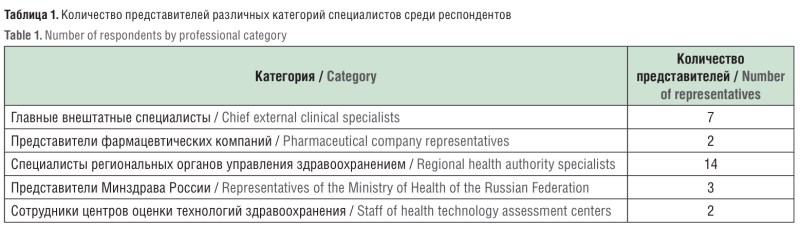
Material and methods. A survey was administered to specialists responsible for drug provision within the 14 HCN program. The questionnaire included nine questions using interval and ordinal response scales. Of 87 questionnaires received, 28 valid responses were included in the final analysis. Instrument reliability was assessed using Cronbach’s α coefficient, and agreement among expert judgments was evaluated using Kendall’s coefficient of concordance (W) and Pearson’s χ2 test.
Results. The questionnaire demonstrated satisfactory internal consistency (α=0.799). According to respondents, the most critical challenges of the program were insufficient funding (mean score 4.29), the need to improve the drug provision system (4.21), and the need to automate the submission and review of applications for medicinal products (4.18). Moderate agreement among experts was observed only in ranking nosologies by priority for implementing improvement measures (W=0.3089). Hemophilia, multiple sclerosis, and malignant neoplasms of lymphoid, hematopoietic, and related tissues were identified as the highest-priority conditions.
Conclusion. The findings confirm need to strengthen the 14 HCN program and may inform the development of organizational and pharmacoeconomic optimization strategies.
What is already known about thе subject?
► АBC analysis is used as a budget management tool for healthcare facilities, allowing for the classification of medicines, medical devices, and equipment into three groups based on their contribution to total expenditures or consumption
► VEN analysis allows for the evaluation of expenditure rationality and helps prioritize drug selection by categorizing them into vital, essential, and non-essential
► ABC/VEN analysis is a methodology for assessing the rationality of pharmaceutical expenditures, enabling effective monitoring of appropriate medicine use
What are the new findings?
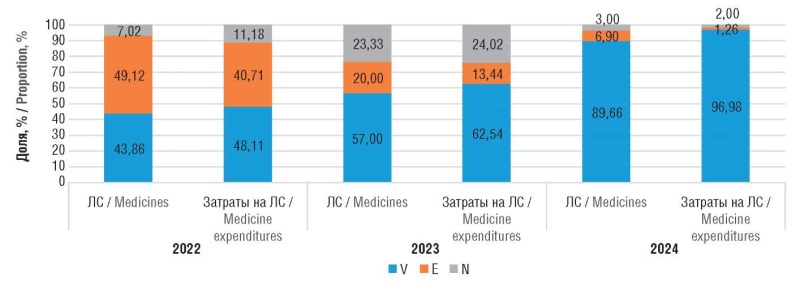
► To identify procurement trends and prioritize drugs by clinical significance, an ABC/VEN matrix was constructed to classify expenditures
► A resource reallocation trend within the healthcare facility was identified by ranking data to analyze correlations among expenditure subcategories (Category A). The procurement policy was evaluated by calculating the optimization coefficient
► The findings confirmed a strengthening correlation between the proportions of medicine items and expenditures over time. An increase in the shares of specific subcategories directly impacts resource allocation and budgetary concentration on a limited number of medicine items
How might it impact the clinical practice in the foreseeable future?
► Routine implementation of ABC/VEN matrix analysis will reduce expenditures on non-essential and expensive medicines within a healthcare facility
► Identifying expenditure categories will allow for early prioritization of procurement toward vital and essential medicines
► Calculating the optimization coefficient will enable a transition toward a rational, fiscally responsible, and clinically justified model of medicine supply under limited healthcare funding
Objective: To demonstrate the financialandclinicalvalue of ABC/VENanalysisforevaluating the rationalityofresource allocation underbudgetary constraints.
Material and methods. Data from the inventory and expenditure records of a psychiatric facility for the period 2022–2024 were analyzed. Pharmaceutical expenditures were calculated (ABC-analysis), and rational medicine use was assessed (VEN-analysis). The categories and structure of expenditures were evaluated using ABC/VEN matrix analysis. Spearman’s correlation coefficient and an optimization coefficient were calculated to determine the relationships between variables and evaluate the rationality of resource allocation in terms of the alignment of expenditures with clinical significance.
Results. During the analyzed period, the share of Category I expenditures increased both in terms of the number of subcategories (from 57.9% to 86.66%) and costs (from 84.7% to 96.98%). Conversely, the share of Category II decreased both in terms of the number of items (from 38.6% to 10.34%) and costs (from 14.6% to 3.02%). Category III expenditures (low-priority drugs) were gradually eliminated from the procurement structure, dropping from 3.5% to complete absence in 2024. An increase was observed in the optimization coefficient for Subcategory AV (up to 0.47 in 2023–2024), alongside a growth in the share of expenditures for Group V medicines from 48% to 97%. Subcategories AN and AE were completely eliminated, and the correlation between the shares of medicine items and expenditures became stronger.
Conclusion. In 2022–2024, the procurement structure realigned toward Category I, which is consistent with the principles of evidence-based medicine and the strategic objectives of expenditure optimization while maintaining a high level of therapeutic efficacy.
What is already known about thе subject?
► Nonsteroidal anti-inflammatory drugs (NSAIDs) exert their pharmacological action not only through cyclooxygenase-2 inhibition but also through other molecular mechanisms
► The use of NSAIDs to treat inflammation and pain is an important alternative to opioid analgesics, whose use is significantly limited by their addictive potential
What are the new findings?
► Interactions between SV-1010 and opioid receptors were analyzed in silico using chemoreactomic modeling and the so-called docking procedure
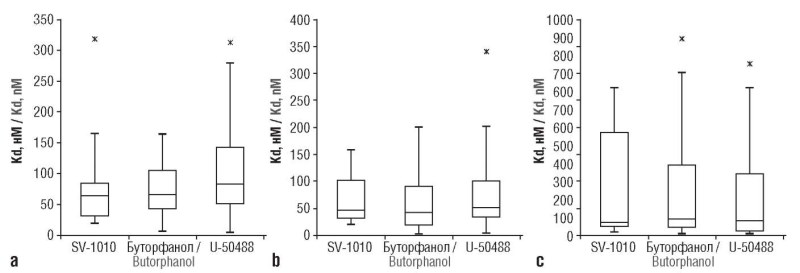
► The effects of interactions between SV-1010 molecule and various opioid receptors were assessed in comparison with butorphanol (a synthetic agonist of morphine-type opioid receptors and kappa-opioid receptors) and with the compound U-50488 (an agonist of kappa-opioid receptors that does not exhibit antagonism to mu-opioid receptors)
► It was shown that the SV-1010 affinity for opioid receptors was comparable to that of butorphanol and U-50488
How might it impact the clinical practice in the foreseeable future?
► The chemoreactomic analysis of candidate molecule SV-1010 indicates dual action – on cyclooxygenase-2 and on kappa receptors
► Due to its potentially significant interaction with kappa-opioid receptors, the candidate molecule SV-1010 may be an NSAID with a pronounced analgesic and mood-stabilizing effects
Background. The search for promising nonsteroidal anti-inflammatory drugs (NSAIDs) is aimed, in particular, at identifying molecules with multitargeted anti-inflammatory and analgesic effects (including through central mechanisms).
Objective: To study the interactions of a candidate NSAID molecule (SV-1010) with opioid receptors and compare them with the effects of known agonist molecules (butorphanol and U-50488) using chemoreactomic analysis and docking.
Material and methods. Chemoreactomic analysis of NSAID mechanisms of action was conducted in three stages: data sampling, establishment of lists of molecules with known properties, and calculation of Kd binding constants and EC50 activation constants. Docking of kappa opioid receptors was performed using MarvinSketch, MOPAC2012, and AutoDock Vina. A comparison of the results of chemoreactomic modeling and docking was performed.
Results. Chemoreactomic analysis of the interactions of the studied molecules with opioid receptors showed that the median and average values of the binding constants Kd of the SV-1010 compound are comparable with the estimates of the constants obtained for butorphanol and U-50488 (75–98 nM for delta receptors, 62–81 nM for kappa receptors, 198–244 nM for mu receptors). Among the studied opioid receptor subtypes, the lowest Kd values were established for SV-1010 for kappa receptors (64.8±46.3 nM; delta and mu receptors: 79.9±77.6 and 243.8±246.9 nM, respectively). No significant difference in the binding of SV-1010 molecules to kappa-1 and kappa-2 opioid receptors was detected (Kd in the range of 23.7–54.5 nM). Docking of the studied molecules into the structure of the human kappa receptor allowed us to obtain Kd values and formulate the mechanism of binding of SV-1010 to the kappa-opioid receptor site (potentially, the key binding amino acids of the kappa-opioid receptor site are ILE730, VAL667, MET579, ILE726, TRP723, ILE460 and TYR464). A comparison of the results of chemoreactomic modeling and docking made it possible to find a correlation expressed by the equation “35.8x – 4790” with a correlation coefficient close to unity. The results of chemoreactome modeling of EC50 constants confirmed the results of the Kd binding constant analysis, including the finding that SV-1010 exhibits greater affinity for kappa receptors than for mu receptors.
Conclusion. Chemoreactomic and docking modeling of the SV-1010 molecule's effects support the hypothesis that this compound may be a kappa-opioid receptor agonist, indicating the potential for experimental and other studies of SV-1010 with a focus on kappa-opioid receptors.
REVIEW ARTICLES
What is already known about thе subject?
► Hemophilia is a rare disease included in the 14 High-Cost Nosologies federal program
► Eleven drugs for hemophilia are included in this program
► The absence of transparent criteria for selecting a specific drug in a given clinical scenario complicates therapeutic decision-making
What are the new findings?
► The review showed that the evidence base is heterogeneous and does not permit a comprehensive comparison of all hemophilia drugs included in the program
► Several patterns in clinical effectiveness and important evidence limitations relevant to treatment selection were identified
► A methodological approach was developed for establishing treatment selection criteria based on clinical trial data, clinical guidelines, and prescribing information
How might it impact the clinical practice in the foreseeable future?
► The proposed approach may support the standardization of prescribing for hemophilia
► The developed patient models and typical clinical scenarios may narrow the range of suitable drugs for specific patient groups
► The described methodology may be adapted for other diseases included in the 14 High-Cost Nosologies program
Background. Hemophilia is a rare disease covered by Russia’s federal program for 14 High-Cost Nosologies (HCN), which ensures nationwide access to expensive drug therapies funded from the federal budget. The program currently includes 11 hemophilia drug products; however, the absence of transparent, clinically grounded criteria for selecting among these options in specific clinical scenarios complicates therapeutic decision-making.
Objective: To conduct a systematic review of the clinical effectiveness for hemophilia drugs included in the 14 HCN program and to develop an approach for establishing treatment selection criteria for specific patient groups.
Material amd methods. A literature search was performed in PubMed/MEDLINE and the Cochrane Library. Comparative clinical trials, systematic reviews, and meta-analyses were included. In addition, clinical guidelines for hemophilia and prescribing information for the relevant drugs were analyzed.
Results. The available evidence base is heterogeneous and does not permit a comprehensive comparison of all drugs included in the program. Nevertheless, several patterns in clinical effectiveness and important limitations of the evidence relevant to treatment selection were identified. Based on clinical trial data, clinical guidelines, and prescribing information, a methodological approach for developing drug selection criteria was proposed. This approach incorporates patient models, typical clinical scenarios, and an automated treatment selection algorithm.
Conclusion. The proposed approach may support the standardization of prescribing in hemophilia and can be adapted for other diseases included in the 14 HCN program.
What is already known about thе subject?
► Vulvar cancer remains a pressing issue given its late diagnosis and the significant decline in the patients’ quality of life following surgery and chemoradiation
► A promising approach to improving the quality of medical care for patients with vulvar cancer is the implementation of prehabilitation, a set of measures aimed at improving physical function and mental state to mitigate the severity of deconditioning, improve treatment outcomes, and enhance quality of life
What are the new findings?
► This review outlines current approaches to prehabilitation for patients with vulvar cancer based on evidence-based medicine
► Particular attention is paid to the studies carried out at the present moment, the results of which may enhance our understanding of the role of prehabilitation in improving outcomes in gynecologic oncology in real-world clinical practice
How might it impact the clinical practice in the foreseeable future?
► Multimodal prehabilitation programs are capable of optimizing the patients’ functional capacity, having a positive effect on short- and long-term treatment outcomes
► The introduction of prehabilitation programs into clinical practice may be an important, undervalued resource for improving the quality of medical care for patients with gynecologic oncology, including vulvar cancer
Vulvar cancer, a relatively rare gynecologic oncology condition, remains a pressing issue given its late diagnosis and the significant decline in quality of life following surgery and chemoradiation. A promising approach to improving the quality of medical care for patients with vulvar cancer is the implementation of prehabilitation and rehabilitation programs. Prehabilitation is a set of measures aimed at improving the patients’ physical function and mental state to mitigate the severity of deconditioning, improve treatment outcomes, and enhance their quality of life. Studies conducted to date show that multimodal prehabilitation programs have a positive effect on patients’ functional capacity and both short- and long-term treatment outcomes. The introduction of prehabilitation programs into clinical practice may be an important, undervalued resource for improving the quality of medical care for patients with gynecologic oncology. This review, based on evidence-based medicine, presents current approaches to prehabilitation for patients with vulvar cancer. Particular attention is paid to studies that are currently underway, as their results may advance our understanding of the role of prehabilitation in improving outcomes in gynecologic oncology in real-world clinical practice.
Events
2026-09-15
Форум анестезиологов и реаниматологов России (ФАРР-2026)
Даты мероприятия: 31 октября – 2 ноября 2026 г.
Место проведения: Конгрессно-выставочный центр «Экспофорум»
Адрес: Санкт-Петербург, Петербургское шоссе, д. 64/1
Формат мероприятия: очный, с онлайн-трансляцией из ограниченного количества залов
Подробная информация на сайте организатора «Человек и Здоровье» (ЧиЗ): congress-ph.ru/event/farr26
Официальная онлайн-платформа мероприятия: congressfar.ru
| More Announcements... |

This work is licensed under a Creative Commons Attribution-NonCommercial-ShareAlike 4.0 International License.
ISSN 2070-4933 (Online)