FARMAKOEKONOMIKA. Modern Pharmacoeconomics and Pharmacoepidemiology
The journal is the first and most reputable in Russia and EurAsEC (Eurasian Economic Community) countries peer-reviewed periodical that publishes materials on new medical technologies, economic optimization of drug therapy, quality-of-life and healthcare problems.
The journal was founded in 2008.
The impact factor of this journal, as shown in the Russian Science Citation Index (RSCI) is the highest among the periodicals in the areas of pharmacoeconomics, health technology assessment, and epidemiology. According to RSCI, the biennial impact factor (without self-citations) was 0.325 in 2013, 0.411 in 2014, and 0.722 in 2015.
The journal publishes various materials on pharmacoeconomics and pharmaco-epidemiology including the methodology, data analysis and results of studies on public health, medical technologies and economic aspects of drug therapies. The original articles and literature reviews cover Cost-of-Illness Analysis, Cost-Minimization Analysis, Cost-Effectiveness Analysis (CEA), Cost-Utility Analysis (CUA), Cost-Benefit Analysis (CBA), Quality of Life Assessment (QoL), Patients' Preferences & Patients’ Satisfaction indices and related topics.
Our aims and priorities focus on scientific and information support to the decision-makers and experts in public drug supply, health providers, research and education professionals, as well as pharmaceutic and insurance companies.
Languages: Russian, English
Periodicity: 4 issues per year (quarterly).
Copies of this journal are distributed under the Creative Commons Attribution 4.0 License: full-text materials are freely available to the public in an open access repository.
Distribution of the printed version: Russia, the EurAsian Economic Community countries (Belarus, Kazakhstan, Kyrgyzstan, Tajikistan, Uzbekistan, Armenia, Moldova)
The editorial board of “FARMAKOEKONOMIKA. Modern Pharmacoeconomics and Pharmacoepidemiology” includes leading experts in pharmaco-economics, clinical pharmacology, medical technology assessment, epidemiology, and public health from Russia, USA and Spain.
The editorial board maintains the policy of full compliance with all principles of publishing ethics. Our ethical standards and codes conform to those of top international science publishers.
All submitted materials undergo a mandatory double-blind peer review.
Media Certificate of Registration: ПИ №ФС77-32713 of August 01, 2008.
ISSN 2070-4909 (Print)
ISSN 2070-4933 (Online)
By the decision of the Higher Attestation Commission (HAC) of Russia, “FARMAKOEKONOMIKA. Modern Pharmacoeconomics and Pharmacoepidemiology” is included in the "List of top peer-reviewed scientific journals and publications" where scientists seeking academic degrees are required to publish their results.
The journal appears in the Russian Universal Scientific Electronic Library (RUNEB) elibrary.ru and is also present in the database of the Russian Science Citation Index (RSCI). Concise versions of major articles from this journal are published by the All-Russian Institute for Scientific and Technical Information (VINITI). The journal is also indexed by "Ulrich's periodicals Directory" – a global information system of periodicals and continued publications.
Current issue
ORIGINAL ARTICLES
What is already known about thе subject?
► Modern pharmacological analgesic methods involve using drugs of various groups, including opioid analgesics
► The use of opioid analgesics often leads to opioid-induced respiratory depression in patients with type 2 diabetes mellitus (T2DM) and obesity
► The risk of complications after analgesic therapy can be minimized in surgical patients through the use of drugs acting through selective impact on μ1-opioid receptors, such as tyrosyl-D-arginyl-phenylalanyl-glycine amide (Tafalgin®), whose efficacy and safety have been confirmed in several clinical trials
What are the new findings?
► A pharmacoeconomic budget impact analysis has been conducted for the first time to evaluate the use of analgesic peptide Tafalgin® for pain relief in surgical patients with T2DM and obesity
► Administration of Tafalgin® to relieve pain was shown to be clinically and economically more effective as compared to the other analgesics (Promedol® and Morphine®)
How might it impact the clinical practice in the foreseeable future?
► The introduction of Tafalgin® into clinical practice to relieve pain in patients with T2DM and obesity will help to manage healthcare resources more efficiently by reducing the risk of late postoperative adverse events and preventing readmissions
Objective: To evaluate the impact of administering tyrosyl-D-arginyl-phenylalanyl-glycine amide postoperatively to relieve pain in patients with type 2 diabetes mellitus (T2DM) and obesity on the compulsory health insurance system of Moscow Region.
Material and methods. A pharmacoeconomic budget impact analysis covering a period of one year was conducted. The target population included T2DM and obesity patients aged over 18 years who received postoperative analgesic therapy (tyrosyl-D-arginyl-phenylalanylglycine amide, trimeperidine, or morphine). The regional budget impact analysis of drug therapy took into account the duration of analgesia, the incidence of complications and their treatment. A mathematical model was developed to calculate the direct medical costs of various postoperative analgesic regimens. The cost of pharmacotherapy and treatment of complications per patient during a course of medication was calculated. A sensitivity analysis of the obtained results was conducted.
Results. A total of 1501 patients with T2DM and obesity underwent surgical treatment at the medical facilities of Moscow Region. The total sample of patients in the study was divided into three groups depending on the analgesic used. With the use of tyrosyl-D-arginylphenylalanyl-glycine amide, the incidence of complications in the analyzed patient population was almost four times lower compared to trimeperidine and morphine, and the cost of treating complications was almost three times lower. The total cost of treating one surgical patient experiencing a complication after the use of tyrosyl-D-arginyl-phenylalanyl-glycine amide amounted to 18,732.25 rubles, which is almost 1.3 times lower compared to other analgesic strategies. The budget impact analysis revealed the pharmacoeconomic feasibility of using tyrosyl-D-arginyl-phenylalanyl-glycine amide in postoperative analgesic therapy. Sensitivity analysis showed that the results were robust to changes in the initial parameters.
Conclusion. Administration of tyrosyl-D-arginyl-phenylalanyl-glycine amide in the postoperative period leads to a proven reduction in the incidence of complications. This is a cost-effective approach to providing medical care to adult patients with T2DM and obesity.
What is already known about thе subject?
► Chronic lymphocytic leukemia (CLL) is the most common adult leukemia. Patients with unmutated IGHV and without del(17p) or mutations in TP53 represent a higher-risk subgroup that derives limited benefit from conventional chemoimmunotherapy
► According to current Russian guidelines, first-line therapy for this cohort relies on Bruton’s tyrosine kinase inhibitors (ibrutinib, acalabrutinib, and zanubrutinib) and fixed-duration combinations (FСs) based on venetoclax
► Given limited budgets, it is essential to assess the economic impact of introducing new first-line regimens
What are the new findings?
► FC “acalabrutinib + venetoclax” reduces per-patient drug costs to 9,124,560 rubles compared to 10,375,643 rubles for FC “ibrutinib + venetoclax” (a 12.1% reduction)
► Replacing 50% of FC “ibrutinib + venetoclax” with FC “acalabrutinib + venetoclax” in a target population of 697 patients reduces total pharmaceutical expenditures from 8,404.5 million rubles to 8,322.0 million rubles over three years, yielding budget savings of 82.5 million rubles
► One-way sensitivity analyses (±20% prices; ±20% population; uptake from –20% to complete substitution) confirm the robustness of savings, which are most sensitive to the prices of acalabrutinib and ibrutinib. Higher uptake of FC “acalabrutinib + venetoclax” increases savings
How might it impact the clinical practice in the foreseeable future?
► Incorporating FC “acalabrutinib + venetoclax” into first-line therapy for adults with unmutated IGHV and no TP53 aberrations can reduce the healthcare budget burden compared with FC “ibrutinib + venetoclax”
Objective: To evaluate the budget impact of a fixed-duration combination (FC) “acalabrutinib + venetoclax” regimen for treatmentnaive adults with chronic lymphocytic leukemia (CLL), unmutated IGHV, and absence of del(17p) or mutations in TP53 in the Russian Federation.
Material and methods. A deterministic, payer-perspective model was developed over one- and three-year horizons. The analysis focused on drug acquisition costs (national price registry, +10% value added tax), with label-based dosing. The standard therapy included Bruton’s tyrosine kinase inhibitors (acalabrutinib, ibrutinib, or zanubrutinib), or FCs “venetoclax + obinutuzumab” and “ibrutinib + venetoclax”. The simulated scenario assumed a 50% substitution of “ibrutinib + venetoclax” by “acalabrutinib + venetoclax” over three years. A one way sensitivity analysis was performed to evaluate the impact of variations in drug prices (±20%), population size (±20%), and uptake of “acalabrutinib + venetoclax” (–20% to complete substitution).
Results. The target population included 697 patients. Per-patient costs of FCs were as follows: 9,124,560 rubles for “acalabrutinib + venetoclax”; 10,375,643 rubles for “ibrutinib + venetoclax”. For the total cohort, total three-year expenditures amounted to 8,404.5 million rubles in the current practice versus 8,322.0 million rubles with FC “acalabrutinib + venetoclax”, i.e., budget savings came to 82.5 million rubles. These savings are driven by the lower cost for a course of “acalabrutinib + venetoclax” compared to “ibrutinib + venetoclax”. Sensitivity analyses confirmed robustness: although results were most sensitive to the prices of acalabrutinib and ibrutinib, savings persisted across tested ranges; higher uptake of “acalabrutinib + venetoclax” further increased budget savings.
Conclusions. Implementing the FC “acalabrutinib + venetoclax” for the first-line treatment of CLL patients with unmutated IGHV and no TP53 aberrations reduces the healthcare budget burden compared to “ibrutinib + venetoclax”, yielding approximately 82.5 million rubles in savings over three years based on drug acquisition costs.
What is already known about thе subject?
► Interferon gamma (IFN-γ) potentiates the effect of isoniazid, accelerating abacillation and shortening the period of bacterial excretion in patients with tuberculosis. Its adjuvant administration stimulates the immune system, enhances phagocytosis and macrophage activity, thereby promoting the destruction of mycobacteria. Insufficient interferon production worsens the prognosis
► A previous study showed that IFN-γ increases quality-adjusted life years. Incorporating IFN-γ into treatment regimens would save the Russian Federation budget up to 284 million rubles, or up to 27.3% of the funds allocated for treating this group of patients
What are the new findings?
► The presented data from studies confirm the clinical feasibility of using exogenous IFN-γ as adjuvant therapy in current chemotherapy regimens in patients with multidrug-resistant tuberculosis
► Information on the pharmacoeconomic feasibility of including IFN-γ in chemotherapy for drug-resistant tuberculosis in accordance with current treatment regimens was updated
► It was shown that the use of IFN-γ as pathogenetic therapy in combination with chemotherapy during 3 months allows for a 1.5-fold reduction in the total costs of patients' hospital stay
How might it impact the clinical practice in the foreseeable future?
► Redistributing the workload from inpatient to outpatient care will optimize patient flows and reduce the burden on the healthcare system
► Incorporating IFN-γ into standard tuberculosis treatment protocols can significantly improve budget efficiency and accelerate patient recovery
Objective: To evaluate the efficacy of gamma interferon (IFN-γ) injections for patients with multidrug-resistant tuberculosis (MDR-TB) undergoing antituberculosis chemotherapy according to current clinical guidelines through a clinical and economic analysis.
Material and methods. A clinical-economic model of the two strategies for managing MDR-TB patients was developed. The costeffectiveness of these strategies was determined taking into account only the direct costs of inpatient care. Time-based costs for patient management were calculated, focusing on the period from the start of therapy to the end of the study drug administration (3 months). This included: Period 0 – the start of therapy, days 1–14 plus 3 days for testing to confirm the absence of bacterial excretion; Period 1 – days 18–30 + 3 days for testing; Period 2 – days 34–60 + 3 days for testing; Period 3 – days 64–90 + 3 days for testing. For budget impact analysis we used the difference in costs between the two treatment strategies: antituberculosis chemotherapy with IFN-γ injections (the main group) and antituberculosis chemotherapy without IFN-γ (the control group). Efficiency parameters included sputum conversion rates based on microscopy and the median time to clinical response. Cost-effectiveness ratios were calculated using the clinical efficiency of the compared therapies, taking into account sputum smear conversion rates based on microscopy. The results were verified using a one-factor sensitivity analysis based on the cost-effectiveness ratio within a range of ±30%.
Results. Pharmacotherapy costs during the first 14 days of hospitalization were higher in the group treated with IFN-γ (12,347,287.00 rubles) compared with the control group (10,723,532.00 rubles). Due to the clinical response achieved, a significantly larger number of patients in the main group are transferred to outpatient care, and costs in Period 1 for this group tend to decrease (1,394,517.12 rubles), while in the control group they are three times higher (4,138,021.76 rubles). Costs in the control group were 3.8 times higher than in the main group in Period 2, and 3.3 times higher in Period 3. Total costs for inpatient care over the 3-month treatment period with the study drug (the main group) were 1.5 times lower than those in the control group. Furthermore, the results were supported by calculations using the time to clinical response, as determined by microscopic examination. These calculations showed that the treatment in the main group was 25.64% more cost-effective than in the control group. The lower cost-effectiveness ratio in the main group compared to the control group (1,401.51 and 1,802.27, respectively) and the higher clinical efficacy in terms of the main criterion indicate that including IFN-γ in the treatment of MDR-TB patients is more cost-effective and preferable. A one-factor sensitivity analysis based on the cost-effectiveness metric confirmed the robustness of the findings to uncertainties and variations in the input data.
Conclusion. The results obtained indicate the economic feasibility of adding IFN-γ as a pathogenetic therapy for MDR-TB in combination with antituberculosis chemotherapy.
What is already known about thе subject?
► The right to receive free medical care is enshrined for citizens of the Russian Federation by federal legislative acts
► Main categories of citizens entitled for free medical care, funding sources of drug provision, the economic effect of introducing biosimilars into the government procurement of medicines have been determined; automated planning systems have been developed
► Clinical and pharmacoeconomical assessments of innovative drug treatment regimens for breast cancer have been conducted. Despite the previous detailed studies of individual factors, a comprehensive analysis of their interaction is currently lacking
What are the new findings?
► A unified conceptual model for assessing the impact of clinical, economic, and logistical factors on the effectiveness of drug therapy for patients with breast cancer was proposed. Risks at each stage of public procurement were associated with clinical outcomes (decreased compliance and survival, increased toxicity of therapy)
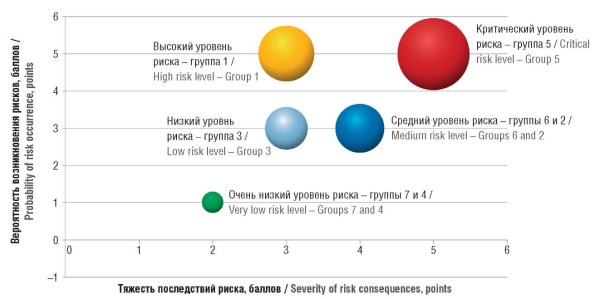
► An integrated risk assessment methodology, combining an analysis of both the probability and severity of consequences was applied. For the first time, the most significant factor affecting the effectiveness of drug therapy – forced procurement of the most affordable analogues – was established
► A new approach to risk assessment when dosing of injectable forms of drugs is presented using docetaxel as an example, demonstrating significant financial losses due to irrational selection of dosages in the formulary of a medical organization
How might it impact the clinical practice in the foreseeable future?
► The results obtained provide an instrumental basis for improving risk management in the implementation of state orders for drugs by a medical organization through optimizing the formulary according to the criterion of achieving the maximum therapeutic effectiveness of therapy
Background. Breast cancer is a socially significant disease. In Russia, the drug provision of breast cancer patients at all stages of treatment is carried out within the public procurement (PP) system. A systematic risk analysis of the PPs of antitumor drugs is an essential requirement for the safety and effectiveness of chemotherapy treatment.
Objective: Identification of the main stages in the PPs of antitumor drugs used in breast cancer therapy; assessment of possible risks at each stage, development of a heat map for the studied risks.
Material and methods. The methods of content and comparative analysis of scientific publications, legislative acts and protocols of open auctions, requests for quotations from four Russian oncological hospitals in the Southern and Central Federal Districts were used. In order to obtain a quantitative estimate of the overall risk for each group and to construct a risk heat map, the severity of consequences and the probability of risk occurrence were combined in a multiplicative model.
Results. The key stages in the PPs of antitumor drugs were established to include tender planning, PP realization, government contract conclusion, and its execution. At the stage of tender planning, the following groups of the risks were identified: the risk of delaying the implementation of innovative chemotherapy treatment regimens into the real clinical practice; the risk of prescribing the chemotherapy treatment regimens classified as an increased risk of adverse reactions; the risk of excessive uniformity and/or variety of dosage regiments. At the stage of PP realization and contract conclusion, the risks are related to a cancellation of the purchase and forced procurements of more affordable analogues. The stage of contract execution involves the risks of reduced patient compliance due to the transfer of tablet drug forms to the ambulatory release; emergence of an urgent need for particular drugs due to changes in the treatment strategy; reduced effectiveness of thermolabile drugs due to a violation of the temperature regime of their transportation. The risk of forced procurements of more affordable analogues was rated as the highest level, while the risks of purchase cancellation and the emergence of an urgent need for drugs were ranked among the lowest.
Conclusion. The results obtained may serve as a basis for improving the risk-based approach to PPs through minimizing negative consequences for patients, hospitals and the entire healthcare system.
What is already known about thе subject?
► Spiramycin is a 16-membered macrolide with antiparasitic activity. Unlike 14-membered macrolides, it interacts with three domains of the 50S ribosomal subunit rather than just one, which provides a long-lasting antibacterial effect
► Spiramycin has a greater affinity for the tissues of the oropharynx, bronchi, lungs, and genitourinary system than other antibiotics, where it reaches concentrations many times higher than serum levels
► Spiramycin is effective in the treatment of nasopharyngeal, upper and lower respiratory tract infections, as well as toxoplasmosis, non-gonococcal urethritis, and chlamydia
What are the new findings?
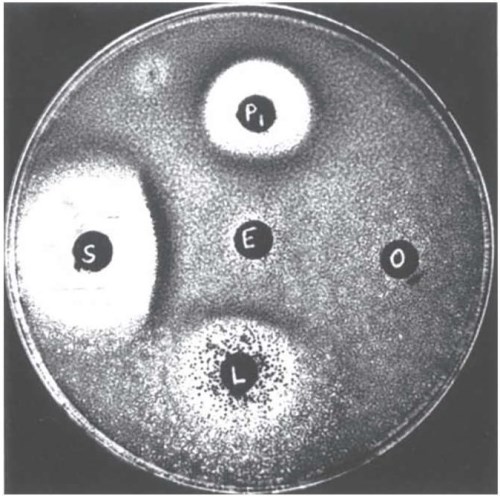
► The anti-inflammatory effects of spiramycin in macrophages activated by bacterial lipopolysaccharides are described
► Data on the effect of spiramycin on obesity are presented. Spiramycin inhibits preadipocyte differentiation and reduces the accumulation of intracellular lipids
► Administration of spiramycin per os can be used in combination with cancer therapy; it reduces neuropathic pain
How might it impact the clinical practice in the foreseeable future?
► Unlike several antibiotics (moxifloxacin, josamycin, azithromycin, and clarithromycin), spiramycin does not cause magnesium deficiency, which is a risk factor for life-threatening conditions
Background. Spiramycin is a macrolide antibiotic characterized by minimal resistance to various strains of pathogenic bacteria and a good safety profile. Although the pharmacology of spiramycin has been the subject of many publications, these data are yet to be systematized.
Objective: To systematize all available scientific publications on spiramycin pharmacology.
Material and methods. All currently available publications on basic and clinical studies of spiramycin were analyzed. The query “spiramycin OR rovamycine OR RP 5337” returned 1,755 reports in the PubMed/MEDLINE biomedical database. This sample of publications was then systematically analyzed using the topological and metric approaches to the analysis of heterogeneous feature descriptions that are adopted by the scientific school of Yu.I. Zhuravlev and K.V. Rudakov (Academicians of the RAS). Results. A cluster analysis of the most informative terms describing the pharmacological properties of spiramycin revealed that it is a unique macrolide characterized by targeted tissue accumulation and significantly higher safety than other antibiotics. This safety of spiramycin underlies its successful use to treat toxoplasmosis in pregnant women and prevent maternal-to-fetal transmission of the parasite Toxoplasma gondii. Spiramycin also holds promise for the treatment of other urogenital infections (chlamydia and non-gonococcal urethritis), as well as against oral pathogens that cause caries, gingivitis, and periodontitis. Spiramycin's targeted accumulation in lung tissue allows it to be used against respiratory pathogens, including upper and lower respiratory tract infections. Spiramycin was shown to have anti-inflammatory, anti-tumor, and other additional effects (e.g., anti-obesity).
Conclusion. Spiramycin is characterized by targeted tissue accumulation; it exhibits no significant concomitant toxicity, causes no micronutrient loss (including magnesium, whose deficiency results in QT interval prolongation on the electrocardiogram), and, unlike some other macrolides, has no stimulating effect on resistance development in bacterial pathogens. These properties of the spiramycin molecule indicate promising potential for its use in the inhibition and eradication of bacterial strains resistant to other antibiotics.
What is already known about thе subject?
► Beta-blockers (BBs) hold key positions in clinical guidelines for managing cardiovascular diseases, including hypertension and heart failure
► The availability and prevalence of BBs vary across different pharmaceutical markets
What are the new findings?
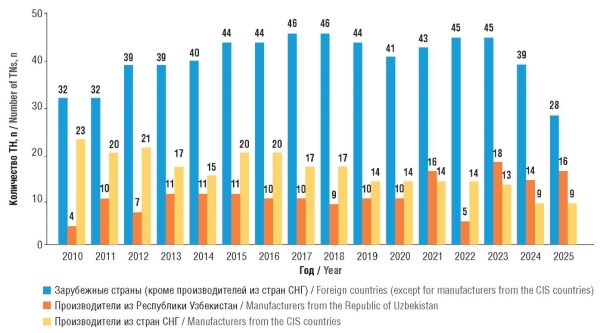
► The study identified 16 international nonproprietary names of BBs registered in Uzbekistan, which were represented by 53 trade names as of 2025
► India, Uzbekistan, and Germany account for the largest share of the registed BBs in the Uzbek market
► The increasing share of locally produced drugs reflect the import substitution policy
How might it impact the clinical practice in the foreseeable future?
► The findings can help optimize the pharmacy assortment of BBs thus improving patient access to treatments
► Gaps in the current range suggest potential for expanding the use of modern selective BBs
► Increasing the share of domestic drugs may improve access to treatments for patients
Background. Beta-adrenergic blockers, or beta-blockers (BBs), are a crucial class of medications. Given their extensive use in the management of cardiovascular diseases, regular analysis of BB availability and range in the pharmaceutical market is essential.
Objective: To analyze the range of BBs available on the pharmaceutical market of the Republic of Uzbekistan, taking their quantitative composition, countries of origin, and dosage forms into account.
Material and methods. The study utilized data from the State Register of medicines, medical devices and medical equipment approved for use in medical practice in the Republic of Uzbekistan. Methods employed included systematization, statistical and comparative analysis, and graphical representation of the results.
Results. The Uzbek pharmaceutical market is dominated by metoprolol, bisoprolol, and nebivolol, with the majority of products manufactured in the countries of the near and far abroad such as India, Russia, and Germany. Solid dosage forms, specifically tablets and capsules, are prevalent in this sector, which is consistent with the therapeutic use of this drug class.
Conclusion. The range of BBs in the pharmaceutical market of Uzbekistan is extensive in terms of international nonproprietary names, trade names, and manufacturing origins. This reflects consistent demand and the clinical importance of this drug group in the management of cardiovascular conditions. The findings can be used to further improve the pharmaceutical supply system.
What is already known about thе subject?
► Artificial intelligence (AI) systems increase sensitivity in diagnosing socially significant diseases, such as the detection of malignant skin tumors
► Multi-stage patient routing during diagnostic search is associated with a high risk of missing malignant cases, especially in the provision of primary health care
► Diagnostic algorithms based on AI model output can improve diagnostic quality and optimize patient routing, reducing diagnostic time and the burden on specialists and the healthcare system
What are the new findings?
► Original universal formulas for RDai and RNDai were developed to evaluate the efficacy of AI models in multi-stage diagnostic routing
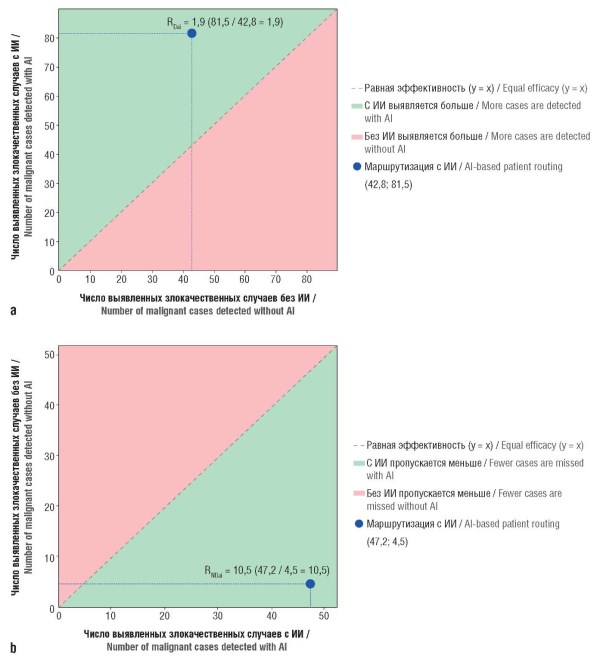
► A quadrant efficacy matrix has been proposed; this matrix provides a means to visually classify the relative efficacy of diagnostic technologies according to the ratio of detected and missed target diseases
How might it impact the clinical practice in the foreseeable future?
► The proposed formulas and quadrant matrix can become a methodological tool for analyzing the efficacy and justifying the implementation of AI technologies in the healthcare system
► Diagnostic technologies that have demonstrated clinical effectiveness may be prioritized for integration into diagnostic algorithms
► Reducing the number of missed cases and optimizing the workload on medical specialists and the healthcare system will improve early disease detection
Objective: To develop a method for evaluating the diagnostic efficacy of differentiated algorithms based on artificial intelligence (AI) model output, as compared to conventional diagnostics.
Material and methods. Two routing scenarios for diagnosing malignant and benign skin neoplasms were simulated. The first scenario involves using algorithms that rely on the output from the Derma Onko Check AI model. The second scenario involves standard patient routing to general practitioners, therapists, and dermatologists/venereologists for establishing a diagnosis. The used diagnostic efficacy indicators of algorithms based on output from the Derma Onko Check AI model as well as on reports from general practitioners, therapists, and dermatologists/venereologists were obtained from previous clinical studies. The modeling was conducted using the clinical data and photographic images of 90 patients with malignant skin neoplasms (39 melanomas and 51 basal cell carcinomas) and 291 patients with benign skin neoplasms (100 non-melanocytic skin tumors and 191 melanocytic skin tumors).
Results. In order to evaluate the relative diagnostic efficacy of algorithms that rely on AI model output, calculation formulas were proposed, with visualization of the results in the form of a quadrant matrix. A mobile app called “AI-diagnostic efficiency calculator” (CalcRDAI&RNDAI) was developed for practical use to automatically compute the diagnostic diagnostic efficacy indicators of algorithms based on AI model output. Testing of the method to evaluate algorithms based on Derma Onko Check output reveals a 1.9-fold increase in the detection of skin cancer cases and a 10.5-fold decrease in missed cases. The evaluation results are in quadrant I (more cases are detected and fewer cases are missed), confirming the value of the diagnostic algorithm using algorithms relying on the Derma Onko Check AI model in the provision of medical care.
Conclusion. The proposed method for evaluating diagnostic efficacy with the use of developed formulas and with the visualization of the results in the form of a quadrant matrix enables objective efficacy evaluation of AI models in multi-stage diagnostic routing.
What is already known about thе subject?
► Pharmacotherapy of viral infections includes activation and support of the immune system with interferon preparations, and interferon inducers, as well as using antiviral drugs such as neuraminidase inhibitors
► The use of interferons, particularly biochemically modified ones (pegylated, etc.), increases the risk of developing leukopenia, thrombocytopenia, flu-like syndrome, and depression
► The use of interferon inducers, compounds that stimulate the biosynthesis and secretion of endogenous interferons, is promising
What are the new findings?
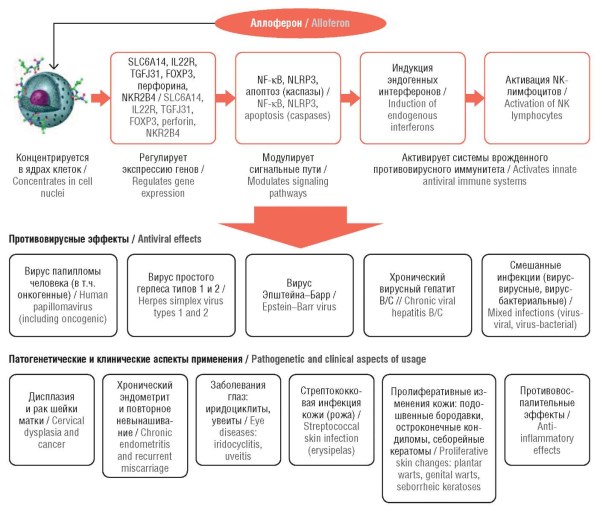
► Oligopeptide (HGVSGHGQHGVHG) alloferon – the active ingredient in Allokin-Alpha®, is an inducer of alpha-gamma interferons that exhibits antiviral and immunomodulatory effects
► Alloferon does not exhibit significant general toxicity, allergenic properties, mutagenic or carcinogenic effects
► Alloferon is effective in the complex therapy of cervical dysplasia caused by human papillomavirus (HPV), including cases with a high oncogenic risk, the treatment of HPV infections with genital manifestations (condylomas), proliferative skin changes, and the complex therapy of chronic recurrent papillomavirus cystitis
How might it impact the clinical practice in the foreseeable future?
► Alloferon has demonstrated high antiviral activity against HPV, which causes cervical intraepithelial neoplasia. Observed results include virus elimination and a reduction in the area and thickness of the acetowhite epithelium, thus reducing the extent of surgical intervention required
► When used to treat chronic endometritis and recurrent miscarriage, alloferon improves the morphology of the endometrium and stimulates the eradication of bacterial and fungal pathogens. It is effective in treating mycoplasma, ureaplasma and chlamydial infections in both men and women, as well as chronic forms of prostatitis, prostatovesiculitis, and urethroprostatitis
► When compared with acyclovir and valacyclovir, alloferon enhances the elimination of types 1 and 2 HSV more effectively; in addition, it works well in the combination therapy for hepatitis B and C viruses
► Alloferon enhances the action of acyclic nucleosides in infection caused by HSV types 1 and 2
Background. Alloferon is a naturally occurring peptide that exhibits pronounced antiviral and anti-inflammatory properties. By inducing interferon biosynthesis, alloferon activates lymphocyte immunity.
Objective: To systematize all available scientific data on the pharmacology of alloferon.
Material and methods. A set of all currently available publications on alloferon from both fundamental and clinical studies (122 publications in PubMed/MEDLINE and eLibrary) was examined. After downloading this sample, it was systematically analyzed using the topological and metric approaches to heterogeneous feature descriptions developed by Yu.I. Zhuravlev and K.V. Rudakov.
Results. A metric analysis of the terms most informative for describing the pharmacology of alloferon revealed its complex antiviral action, involving the suppression of the replication of human papillomavirus virus (HPV), herpes simplex virus (HSV), and hepatitis B and C viruses. HPV and HSV infections stimulate the development of dysplasia and other cervical tissue lesions, endometritis, and recurrent miscarriage. Thus, the use of alloferon in treating these gynecological pathologies has proven highly effective. Additionally, alloferon successfully treats mixed viral and bacterial-viral infections in prostatitis, eye diseases (e.g., viral iridocyclitis, anterior/ posterior uveitis), erysipelas, which is a streptococcal infection of the soft tissues, and others. Possible molecular mechanisms of alloferon's action include regulating the gene expression of antiviral and humoral immunity, as well as the body's inflammatory response. Notably, alloferon stimulates the immune system while preventing excessive inflammation, which can lead to tissue degradation, multiorgan pathology, and aggravated viral infections. Furthermore, research results from fundamental and clinical studies suggest using alloferon in complex antitumor therapy.
Conclusion. Alloferon is an immune and inflammatory modulator that has demonstrated high efficacy against viral and mixed infections with a good safety profile.
What is already known about thе subject?
► Diabetes mellitus (DM) is a widespread endocrine disease that occurs when glucose metabolism is disrupted due to an absolute or relative lack of insulin
► The World Health Organization has included DM and its complications in the top-10 nosologies leading to death
► The costs associated with prevention, diagnosis, supportive care, and treatment of DM complications account for about 10% of the total healthcare costs annually
What are the new findings?
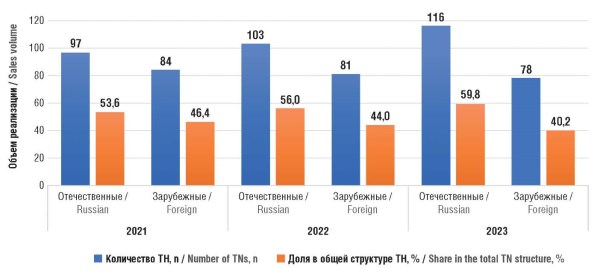
► The analysis of data on the range and volumes of sales in monetary and physical terms of glucose-lowering drugs and their fixed combinations used for the treatment of DM, sold by the retail sector in the pharmaceutical market of the Russian Federation for the period of 2021–2023, was carried out
► Features of the population consumption of drugs used for DM treatment in the context of international nonproprietary names and trade names as well as manufacturers were studied
How might it impact the clinical practice in the foreseeable future?
► The results obtained can be used by healthcare managers when assessing the actual need for drugs prescribed for DM treatment
► These data can be used in the development of federal and regional programs for preferential drug provision for DM patients
Objective: To study the characteristics of population consumption of combined glucose-lowering drugs (GLDs) in pharmacy organizations of the Russian Federation (RF) for the period from 2021 to 2023.
Material and methods. Using the tools of pharmacoepidemiological monitoring, a multicenter study was conducted to assess the implementation of GLD fixed-dose combinations (FDCs) in the retail sector of the pharmaceutical market of 85 RF subjects. The range and volume of retail sales (in packages and rubles) of GLDs from 13 groups of the Anatomical Therapeutic Chemical Classification System (including FDCs) were analyzed using the database of the product range of medicines of the AlphaRM company (Russia). The content, comparative, systemic, retrospective, logical, and graphical analysis, as well as the methods of grouping and descriptive statistics were used.
Results. The structure of retail sales was found to be dominated by foreign FDCs. Thus, out of the 16 FDCs included in the State Register of Medicinal Products, 12 are produced by foreign companies. A list of combinations of GLDs that have no Russian analogues was compiled, which includes “alogliptin + metformin”, “alogliptin + pioglitazone”, “vildagliptin + metformin”, “dapagliflozin + metformin”, etc. By the end of 2023, the volume of pharmacy sales of FDCs had amounted to 4,677 billion rubles (about 98% are sales of imported drugs). In the period from 2021 to 2023, the average retail price of 1 package of a combined drug increased from 927 to 1261 rubles, while the average retail price of 1 package of an imported drug was 5.5 times higher than that of the respective domestic drug. The share of FDCs in the structure of retail sales of GLDs (in physical terms, i.e., the number of packages) was about 8%. The most popular among pharmacy customers are imported combined drugs with metformin (Galvus® Met, Reduxin® Forte, Glibomet®, Glucovans®, Vipdomet®, Sigduolong®, Sinjardi®, Yanumet®), domestic drugs of the “metformin + glibenclamide” combination (Metglib® Force, Metglib®, Glibenclamide + Metformin®), as well as with other combinations (Glidica M® and Glimecomb®). When compiling the marketing profile of GLD FDC group, it was found that triple combinations of GLDs are not registered in the RF. This limits the ability of physicians to prescribe rational pharmacotherapy regimens.
Conclusion. The results obtained can be used by healthcare managers when assessing the need for drugs prescribed for the treatment of diabetes; when planning funds allocated from federal and regional budgets for the provision of medicines to these categories of beneficiaries, as well as when developing measures for improving drug support for patients with diabetes. In addition, the results may serve as a basis for the development of programs aimed at supporting the domestic pharmaceutical industry.
What is already known about thе subject?
► Methotrexate (MTX) is a widely used anti-inflammatory and anti-tumor drug with an established safety profile
► The frequency and spectrum of adverse drug reactions (ADRs) to MTX are shown to vary depending on the nosological group and individual patient characteristics
What are the new findings?
► The study found statistically significant differences in ADR outcomes according to gender, age, and system-organ class, which adds to existing knowledge on MTX safety
How might it impact the clinical practice in the foreseeable future?
► The study results highlight the need for an individualized approach to prescribing MTX, taking the identified ADR risk factors into account
► The findings may be used to develop differentiated pharmacovigilance strategies, optimize dosing and monitoring regimens, and potentially improve the safety and efficacy of pharmacotherapy
Background. Methotrexate (MTX) is a widely prescribed medication known for its pronounced anti-inflammatory and anti-tumor effects. However, its use is associated with risks of adverse drug reactions (ADRs) including gastrointestinal tract, infectious and haematological complications. This study analyzes spontaneous reports on ADRs to MTX in Russia, highlighting the importance of pharmacovigilance in ensuring the safety of pharmacotherapy.
Objective: To examine the frequency and structure of ADRs that occurred following MTX administration through a retrospective analysis of spontaneous reports from the automated information system of the Federal Service for Surveillance in Healthcare (Roszdravnadzor) in Russia.
Material and methods. A retrospective analysis of spontaneous reports registered from 2019 to 2024 in the Pharmacovigilance federal database (Roszdravnadzor) was conducted. To ensure accurate comparisons across regions, the incidence rates of the studied events were calculated per 100,000 population.
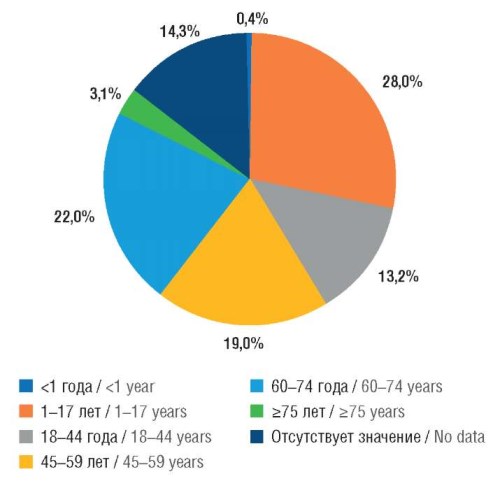
Results. Between 2019 and 2024, a total of 2508 spontaneous reports concerning ADRs and/or MTX inefficacy were registered in Russia. The most frequent ADRs included gastrointestinal disorders (24.4%), combined reactions (21.9%), and drug inefficacy (15.1%). Male patients and those over 60 years of age had a statistically significantly higher risk of fatal outcomes. Allergic reactions resulted in “recovery without sequelae” in 51.7% of cases, while “condition improvement” was observed in gastrointestinal and neurological reactions (48.1% and 60.4%, respectively). Conversely, hematologic toxicity and infectious complications were associated with a higher risk of fatal outcomes (18.2% and 23.6%, respectively).
Conclusion. Both national and international data confirm the need for meticulous monitoring and rational use of MTX to ensure therapeutic safety.
What is already known about thе subject?
► Magnesium and pyridoxine are key cofactors for numerous proteins in the human proteome, including those responsible for electrolyte metabolism, cardiac rhythm, vascular tone regulation, neurotransmitter balance, neuroplasticity, and neuronal survival
► Рyridoxine acts as a synergist for magnesium, enhancing its neuroprotective, anticonvulsant, and tocolytic effects
► Clinical studies of the original Magne B6® confirmed its neuroprotective and mood-stabilizing effects in neurology and neuropediatrics, particularly in magnesium-deficient states
What are the new findings?
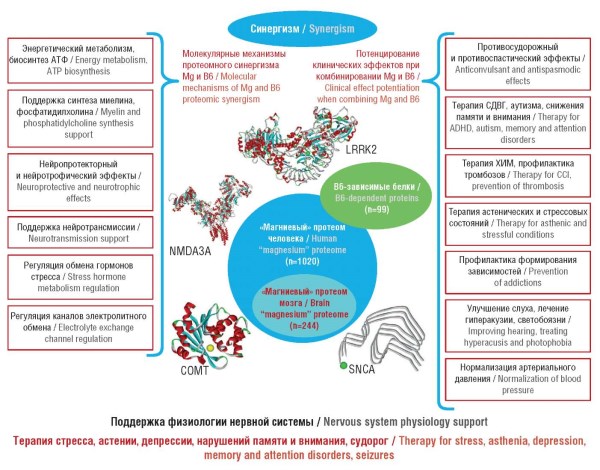
► Using proteome databases (NCBI Protein, UniProt, and Human Proteome Map), we compiled for the first time an up-to-date list of magnesium- (n=1020) and pyridoxine-dependent (n=99) human proteins. These were categorized by their functional activity with a detailed analysis of the protein subset critical to nervous system function
► The analysis identified 172 magnesium and 20 pyridoxine-dependent proteins that mediate the neuroprotective effects of magnesium, providing a molecular-pharmacological rationale for its clinical use in neurology. This is particularly relevant given widespread inadequate magnesium intake (from water and diet) and increased physiological demands due to stress, physical exertion, intake of diuretics, or lifestyle factors such as caffeine, alcohol, and high-sodium diets
► A systems biology analysis of the interactome between these proteins, 143 drugs, and associated diseases reveals novel insights into magnesium–pyridoxine synergism and their pharmacological interactions
How might it impact the clinical practice in the foreseeable future?
► Detailed mapping of magnesium- and pyridoxine-dependent proteins in the nervous system indicates the need to integrate magnesium status assessments (via dietary questionnaires and biosubstrate analysis) into routine clinical practice. This will facilitate more accurate patient stratification and provide a robust rationale for prescribing Magne B6® therapy in neurological and psychoemotional disorders
► The identification of 143 drugs affecting magnesium-dependent proteins provides a basis for considering drug interactions and optimizing regimens, specifically for combining Magne B6® with psycho- and neurotropic agents
► The association between magnesium-dependent protein dysfunction and at least 80 diseases supports the integration of Magne B6® supplementation into prevention and rehabilitation strategies for a broad range of neurological and cognitive disorders
Background. For magnesium–pyridoxine therapy (original drug Magne B6®), the systems-level proteomic synergy of magnesium and pyridoxine-dependent proteins remains to be not sufficiently characterized in the nervous systems of pregnant women and diverse age groups.
Objective: To establish the mechanisms of action of magnesium-dependent proteins on human neurophysiology and to characterize the proteomic synergy of original product components (a fixed combination of magnesium lactate and pyridoxine).
Material and methods. In order to compile the most comprehensive list of magnesium- and pyridoxine-dependent proteins, the study applied algorithms for genome/proteome annotation and heterogeneous feature analysis, developed within the topological recognition theory. Subsequent analyses were conducted using data such as annotation keywords, protein tissue distribution, other protein cofactors, roles in the reactom, functional categories, protein interactions with various pharmaceuticals (including other micronutrients and nutraceuticals), and diseases associated with impaired magnesium-dependent protein activity.
Results. The study identified a comprehensive set of magnesium- (n=1020) and pyridoxine-dependent (n=99) proteins, with a specific focus on those involved in nervous system function. Among various tissues, the brain exhibits the greatest diversity of magnesiumdependent (n=244) proteins. The synergy between magnesium and pyridoxine is manifested across many levels: cofactor interactions, protein functional categories, interactions with various pharmaceuticals, and associations with diseases. Notably, many pyridoxinedependent proteins interact with the same cofactors as magnesium-dependent proteins. Pyridoxine-dependent proteins generally fall into the same most common functional categories as magnesium-dependent ones, indicating a clear synergism between magnesium and pyridoxine in supporting fundamental physiological processes. At least 172 magnesium-dependent proteins and 20 pyridoxinedependent proteins in the human proteome are involved in the neuroprotective, neurotrophic, and other neurotropic effects of magnesium. These proteins play an important role in maintaining neurotransmitter homeostasis, neuroplasticity, and neuronal survival. Furthermore, a total of 143 drugs (including a number of micronutrients and/or nutraceuticals) are associated with the function/activity of magnesium-dependent proteins; these encompass anesthetics, anxiolytics, hypnotics and sedatives, antidementia drugs, calcium channel blockers, cardiac glycosides, antiarrhythmic agents and other cardiac drugs, antidepressants, antipsychotics, antibiotics, etc. The interaction of magnesium-dependent proteins with these groups of drugs is multidirectional. Analysis of diseases associated with dysfunction of magnesium-dependent proteins in the human proteome revealed at least 80 different diseases associated with magnesium deficiency (seizures; impaired fetal neurological development; myelination of nerves; impaired vision, hearing, and adaptive behavior; cognitive disorders; intellectual deficit). The majority of these pathologies linked to the dysfunction of magnesium-dependent proteins are also associated with the dysfunction of pyridoxine-dependent proteins. An extensive clinical evidence base has been established for the use of Magne B6® in neurology and neuropediatrics.
Conclusion. The combination of organic magnesium salts (citrate, lactate, or pyroglutamate) with vitamin B6 in the Magne B6® product line (Magne B6® Forte, Magne B6® tablets, and Magne B6® oral solution) provides synergistic neuroprotective and mood-stabilizing effects. Evidence-based data confirm the pharmacological efficacy of the original drug Magne B6®.
What is already known about thе subject?
► Сomputer vision programs (CVPs) based on artificial intelligence (AI) models demonstrate high diagnostic accuracy in classifying skin lesions in controlled datasets, comparable to that of dermatologists
► Photographic image quality (brightness, white balance, contrast, sharpness, etc.) is one of the key factors determining the diagnostic accuracy of AI models, systematically reducing it when deviating from optimal values
► An analysis of erroneous conclusions by Derma Onko Check and Melanoma Check AI-based CVPs revealed statistically significant differences in photometric characteristics between groups of true and false classifications. Thus, false positive conclusions predominate in overexposed, low-texture images, while false negative conclusions predominate in underexposed and blurry images
What are the new findings?
► For the first time, a method for improving the performance of AI-based CVPs using a module for correcting the parameters of photo images was described and implemented
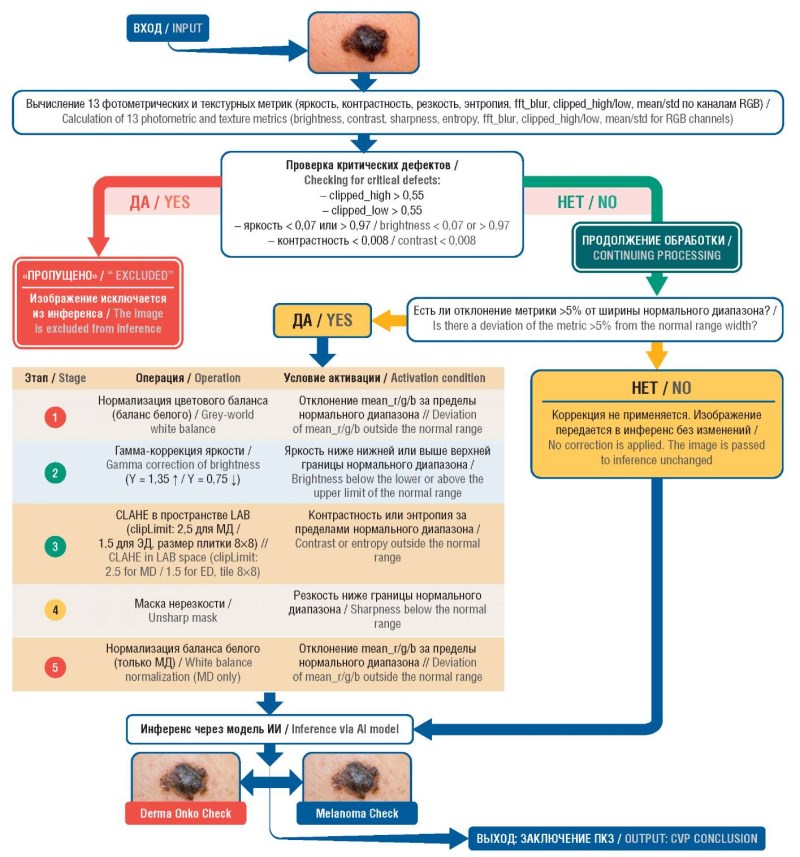
► А criterion for automatically excluding critically defective photographic images was proposed and implemented as a mandatory component of the CVP production pipeline
► A method for correcting the parameters of photo images using a software module was developed
How might it impact the clinical practice in the foreseeable future?
► Integration of the module into a CVP-based screening system for skin neoplasms will improve the reliability of diagnostic reports for suboptimal-quality photographs obtained by inexperienced users, such as patients and physicians having no specialized training in medical photography
► In telemedicine practice, where repeat photography is often not feasible, a photographic parameter correction module is essential for ensuring a reliable diagnostic conclusion from a single available image
Background. A previous analysis of the causes of misclassification of melanocytic and non-melanocytic skin lesions by computer vision programs (CVPs) based on the artificial intelligence (AI) models Derma Onko Check and Melanoma Check revealed systematic deviations in image quality metrics within groups of false-positive and false-negative results. Elimination of these deviations through targeted correction of photo image parameters is a logical step toward improving the diagnostic accuracy of AI-based systems.
Objective: To develop a module for correcting photo image parameters, which is capable of normalizing quality metrics to the reference ranges of correctly classified cases, as well as to conduct a quantitative assessment of its impact on the performance of CVPs.
Material and methods. Photographic images from an anonymized skin lesion database were subjected to parameter correction. A set of 13 photometric and texture metrics was calculated for each image; the characteristics of correctly classified photo images (true positive and true negative cases) were used as normal ranges. A Python module was developed that implements sequential, independent correction of the following deviating parameters: white balance, gamma correction, adaptive contrast processing, and an unsharp mask. Re-inference of the processed photo images was performed using Tensor Flow Lite (TFLite) models with routing to the corresponding programs Derma Onko Check and Melanoma Check. Performance was assessed by accuracy, sensitivity, and specificity.
Results. The developed correction module improved the diagnostic accuracy of AI-based CVPs. During validation of the AI program Derma Onko Check on the dataset of melanocytic neoplasms (n=230), the accuracy increased from 0.909 to 0.926 (+0.017), sensitivity – from 0.949 to 0.961 (+0.012), specificity – from 0.901 to 0.919 (+0.019). During validation of the AI program Melanoma Check on the dataset of melanocytic neoplasms, the accuracy increased from 0.844 to 0.857 (+0.014). During validation of the AI program Derma Onko Check on the dataset of non-melanocytic neoplasms (n=230), the accuracy increased from 0.868 to 0.882 (+0.015). Images with critical defects (overexposed pixels exceeding 55%) were excluded from the inference: seven images for the Derma Onko Check AI program and five images for the Melanoma Check AI program in the melanocytic dataset. No critically defective images were identified in the non-melanocytic tumor dataset.
Conclusion. The developed module for correcting image parameters ensures a stable and reproducible improvement in the diagnostic accuracy (sensitivity and specificity) of CVPs. The obtained results confirm the feasibility of integrating such a module into CVPs.
What is already known about thе subject?
► Excessive sodium intake is a major risk factor for hypertension and cardiovascular pathology
► Low-sodium salt substitutes enriched with potassium and magnesium may lower blood pressure and improve vascular health
► Experimental models of diet-induced hypertension help evaluate the efficacy of antihypertensive interventions
What are the new findings?
► The low-sodium salt substitute (LSSS) was shown to significantly reduce systolic and diastolic blood pressure in rats with diet-induced hypertension
► LSSS improved biochemical parameters, including lipid profile, electrolyte balance, and liver enzymes, compared to the control group
► Long-term use of LSSS reduced vascular and organ damage in the experimental model
How might it impact the clinical practice in the foreseeable future?
► LSSS can be a viable dietary strategy for patients with hypertension and metabolic disorders
► The findings provide rationale for further clinical studies of LSSS in at-risk populations
► LSSS substitutes hold potential for integration into preventive cardiology and dietary guidelines
Background. Low-sodium salt substitutes (LSSS) are widely used in the dietary management of patients with arterial hypertension.
Objective: To investigate the effects of LSSS in white rats using a model of accelerated “dietary-related” aging induced by D-galactose combined with palm oil, dietary L-methionine, sodium chloride in drinking water, and ferrous sulfate.
Material and methods. The study included 30 male Wistar rats weighing 300–500 g. Model induction was performed until Day 13; after that, all animals with reproduced pathology were switched to a standard diet, and a subset of these animals received LSSS therapy until Day 54 of the experiment. On Days 0, 13, and 54, sixty parameters were assessed, including the results of complete blood count, serum biochemistry, and neurological testing.
Results. The model reproduced a complex of disorders, including altered biomarkers of multiple organ pathology, hematopoietic dysfunction, and deterioration of neurological status. The use of LSSS from Day 13 to Day 54 mitigated the progression of accelerated multiple organ aging. In particular, model induction increased serum creatinine (intact: 35.67±1.21 μmol/l; model, Day 54: 39.17±1.47 μmol/l; p=0.000628) with a significant reduction in glomerular filtration rate (GFR) (intact: 167.41±7.26 ml/min/1.73 m2 ; model, Day 54: 153.4±6.32 ml/min/1.73 m2 , p=0.002646). The LSSS promoted the normalization of serum creatinine (model, Day 54: 39.17±1.47 μmol/l; LSSS: 33.33±1.86 μmol/l; p=0.000628) and GFR (model, Day 54: 153.4±6.32 ml/min/1.73 m2 ; LSSS: 181.1±12.27 mL/min/1.73 m2 ; p=0.002646), bringing these parameters toward values typical of intact animals. Furthermore, LSSS contributed to the normalization of iron and electrolyte metabolism. It restored transferrin saturation (model, Day 54: 69.88±11.79%; LSSS: 46.7±10.8%; p=0.053335), with levels comparable to those of intact animals. Improvements were also noted in the levels of magnesium (model, Day 54: 1.12±0.01 mmol/l; LSSS: 1.22±0.14 mmol/l; p=0.004019), sodium (model, Day 54: 141.42±1.3 mmol/l; LSSS: 138.13±1.61 mmol/l; p=0.069579), and potassium (model, Day 54: 7.29±0.05 mmol/l; LSSS: 8.06±1.72 mmol/l). LSSS also reduced liver damage induced by the model, alleviated chronic inflammation, and normalized hematopoiesis (restoration of immature reticulocyte fractions, medium- and high-fluorescence fractions). Neurological evaluation using the open field and Porsolt tests demonstrated that model-induced neurological impairments were effectively mitigated by LSSS therapy.
Conclusion. Standardized LSSS administration promotes attenuation of aging-related pathophysiology in the studied experimental model.
REVIEW ARTICLES
What is already known about thе subject?
► The introduction of immune checkpoint inhibitors and targeted therapies has substantially improved clinical outcomes in melanoma; however, it has also been accompanied by a significant increase in treatment costs
► In most published pharmacoeconomic studies, anti-PD-1 therapy is shown to have a more favorable cost-effectiveness profile compared with targeted regimens, particularly in unresectable melanoma
► Data on the cost-effectiveness of melanoma prevention and screening suggest their potential economic value; however, results vary considerably depending on the population studied, the healthcare system, and the evaluation model used
What are the new findings?
► With limited healthcare resources, anti-PD-1 monotherapy delivers the greatest economic value in the treatment of unresectable melanoma compared with combination immunotherapy and targeted therapy
► The cost-effectiveness of adjuvant therapy is largely determined by the risk of recurrence and the cost of subsequent treatment for disease progression, which limits the justification for expanding indications without strict patient stratification
► Preventive measures and targeted screening programs provide more stable and reproducible economic benefits than high-cost drug interventions and may play a key role in reducing the long-term burden of melanoma
How might it impact the clinical practice in the foreseeable future?
► In clinical practice, priority will increasingly be given to anti-PD-1 monotherapy for unresectable melanoma as the most economically justified option with comparable clinical effectiveness
► The use of adjuvant systemic therapy will become more selective and focused on patients at the highest risk of recurrence, taking potential budget impact and the expected gain in quality-adjusted life years into account
► Prevention and targeted screening are expected to have an increased role in reducing the incidence of advanced-stage disease and optimizing long-term healthcare expenditures
Background. The introduction of immune checkpoint inhibitors (ICIs) and targeted therapies (TTs) has fundamentally changed the clinical management of melanoma, significantly improving survival outcomes both in unresectable disease and in the adjuvant setting. At the same time, these therapeutic innovations have substantially increased healthcare expenditures, which raises the importance of pharmacoeconomic evaluation in clinical and policy decision-making.
Objective: To analyze current methods for assessing the cost-effectiveness of pharmacotherapy using real-world data (RWD), to summarize international experience in their application, and to evaluate the prospects for implementing RWD-oriented pharmacoeconomic approaches in the healthcare system of the Russian Federation.
Material and methods. Pharmacoeconomic studies published between 2010 and 2025 were analyzed using data from randomized clinical trials and RWD. Key outcomes assessed included costs, effectiveness, and utility, such as quality-adjusted life years and incremental cost-effectiveness ratios.
Results. In most international models, ICIs – particularly anti-рrogrammed cell death protein 1 monotherapy – have more favorable costeffectiveness profiles in the treatment of unresectable melanoma compared with TTs, whereas combination regimens are characterized by a substantially higher budget impact. The cost-effectiveness of adjuvant therapy largely depends on the risk of recurrence and the cost of subsequent treatment for disease progression. Several studies show the high economic value of preventive and screening interventions aimed at early melanoma detection. The review highlights the need for cautious extrapolation of international pharmacoeconomic data to the Russian setting, taking into account national pricing policies, reimbursement mechanisms, and the absence of a formally established willingness-to-pay threshold.
Conclusion. The performed analysis of published studies shows that the use of RWD in pharmacoeconomic evaluations of pharmacotherapy allows refinement of model parameters and improves the robustness of economic conclusions; however, the applied approaches vary substantially in study design and data quality. The applicability of these approaches within the Russian healthcare system requires consideration of limitations related to the availability and structure of domestic RWD.
What is already known about thе subject?
► Multiple sclerosis (MS) is a chronic demyelinating disease characterized by multiple focal lesions of the nervous system, which leads to disability and impaired quality of life
► Early administration of disease-modifying therapies (DMTs) for MS effectively reduces the frequency of exacerbations and the risk of disease progression
► DMTs represent the primary cost driver in the management of MS patients
What are the new findings?
► Drawing on the latest scientific data, a comprehensive assessment of MS treatment in various countries was carried out
► Analysis of data on the MS prevalence in various countries confirmed a rising trend in both disease prevalence and detection rates
► The socioeconomic factors were shown to have a significant impact on the disease burden for both patients and the healthcare system
How might it impact the clinical practice in the foreseeable future?
► The findings facilitate the consideration of economic factors when prescribing DMTs for MS
The social burden of multiple sclerosis is determined by its significant impact on quality of life: the presence of disabling symptoms, and severe comorbid somatic and psychological disorders, as well as the need for continuous medication and its impact on well-being. The economic burden of this disease affects both healthcare systems and patients. This can primarily be attributed to the high costs of disease-modifying therapies (DMTs), alongside expenses for hospitalization and the escalation of total costs as patient disability progresses. While direct costs dominated by DMTs, account for approximately 70–90% of total expenditures, indirect costs such as temporary disability, cost of care, and premature death range from 20% to 50% in different countries. Noteworthy is that exacerbations can double treatment costs. Although outpatient care accounts for 80–90% of all costs due to the use of DMTs, inpatient care for severe exacerbations still remains a significant cost driver.
What is already known about thе subject?
► Drug provision models vary significantly from country to country. Systems supported by a high level of public funding and uniform standards of accessibility demonstrate the highest effectiveness
► The integration of primary health care with drug provision programs contributes to raising patient compliance to treatment and improving control over chronic diseases
► Personalized medicine and digital technologies are increasingly being introduced into the healthcare system to improve its quality and effectiveness
What are the new findings?
► For the first time, a systematic comparative review of concepts aimed at improving medical care for socially significant diseases in Russia and abroad was conducted. Priorities for adapting international practices to the Russian healthcare model was identified
► Priority areas for development include standardization of approaches, introduction of clinical and economic effectiveness assessment, and digitalization of drug provision management
How might it impact the clinical practice in the foreseeable future?
► The use of clinical and economic effectiveness assessment systems will enable physicians to prescribe only those drugs which demonstrate proven effectiveness at optimal costs. This is particularly important in the treatment of high-cost diseases, such as cancer and multiple sclerosis
► The introduction of electronic prescriptions and remote monitoring platforms will make it possible to track patient compliance to treatment, monitor side effects, and timely adjust therapy, which is of particular importance in remote regions with limited access to specialized care
Objective: To conduct a comparative analysis of concepts aimed at improving pharmaceutical care for patients with socially significant diseases in both Russia and other countries with the purpose of identifying priority development directions for the Russian system.
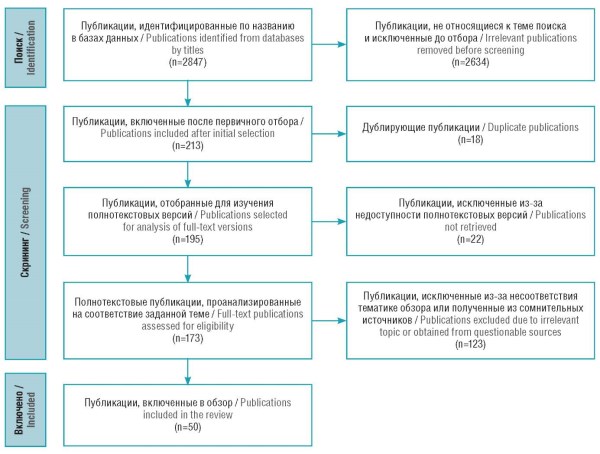
Material and methods. A systematic search of scientific literature, regulatory documents, and statistical data for 2016–2025 was conducted using the PubMed/MEDLINE, CyberLeninka, and eLibrary databases. A comparative method was applied to analyze European, North American, and Russian pharmaceutical provision models. Their effectiveness was evaluated based on accessibility, financial sustainability, quality of care, and innovation criteria.
Results. The European model is characterized by a high level of government funding (70–80%) and effective cost control mechanisms through health technology assessment institutions. The North American system demonstrates trends toward universal coverage with multiple funding sources. The Russian model provides 100% coverage for high-cost nosologies, however, the overall share of government funding reaches 40% with a significant regional differentiation in accessibility. Current trends include implementation of personalized medicine, targeted therapy, telemedicine, and risk-sharing agreements with pharmaceutical companies.
Conclusion. Priority directions for improving the Russian system include unification of regional approaches, implementation of clinical and economic effectiveness assessment mechanisms, development of personalized medicine and digital technologies for pharmaceutical care management.
Events
2026-03-23
Take a survey for healthcare professionals on the use of artificial intelligence in healthcare
Survey: The use of AI technologies in medical activities
Direct hyperlink: https://anketolog.ru/rs/1013120/Ea6s6qUk
QR-code:

| More Announcements... |

This work is licensed under a Creative Commons Attribution-NonCommercial-ShareAlike 4.0 International License.
ISSN 2070-4933 (Online)